- 'Proper big': The Witcher 3's new expansion will be 'closer to Blood and Wine' in scopePCGamer News [May 28, 2026]
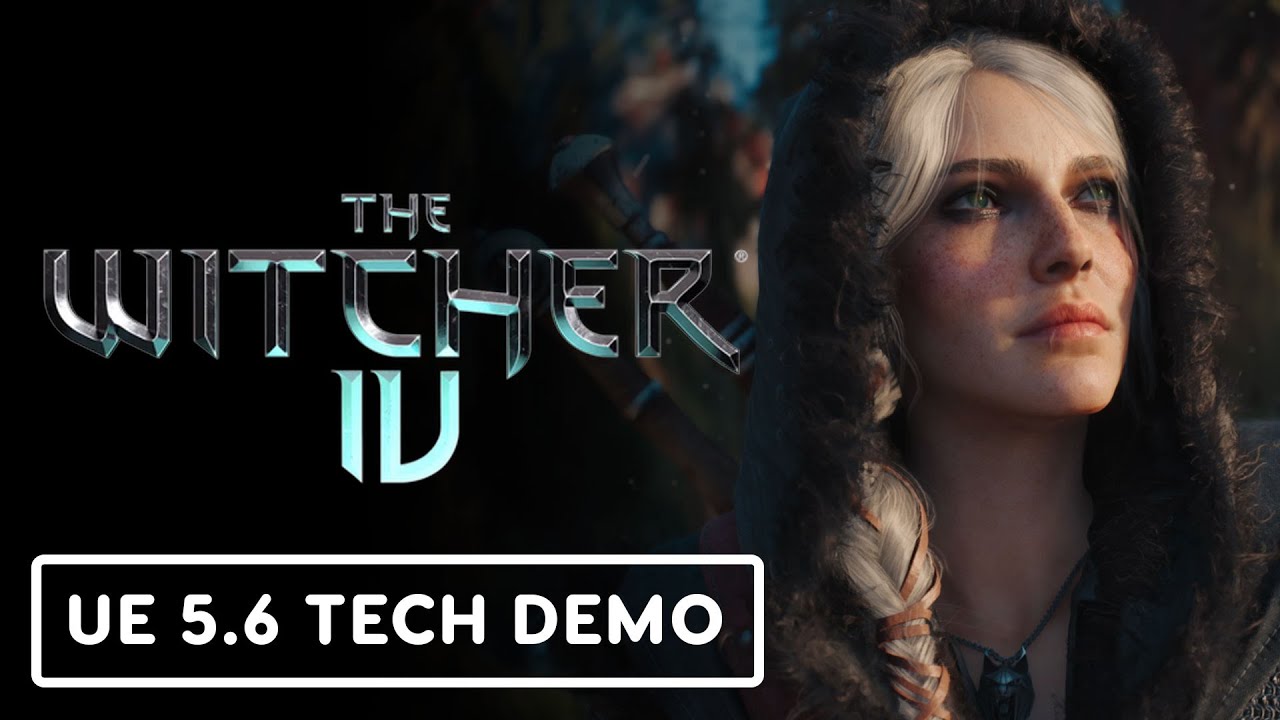
- Geralt's back for one last Roach ride in long-rumoured The Witcher 3: Wild Hunt expansion Songs of the PastRock Paper Shotgun - News [May 27, 2026]
- The rumoured third Witcher 3 expansion has been announced by CD Projekt RedEurogamer [May 27, 2026]
- Witcher 3 Songs of the Past expansion officially announcedDexerto [May 27, 2026]
- The Witcher 3 if officially getting a third expansion, Songs of the PastVGC [May 27, 2026]
- The Witcher 3: Songs Of The Past Is A New Expansion Starring Geralt And It Launches Next YearGame Informer News [May 27, 2026]
- Witcher 3 modders have already added Geralt's new sword from the Songs of the Past expansion to the base gameRock Paper Shotgun - News [May 28, 2026]
- The Witcher 3 reveals new system requirements and it's now Windows 11 or nothingPCGamer News [May 27, 2026]
Sources

Sources
Sources
Sources
Sources
First Release:
2015-05-18
Steam Ratings:
Overwhelmingly Positive (96%)
- Destiny 2 players want to break the game’s servers to show Sony demand for Destiny 3Dexerto [May 27, 2026]
- Most of Bungie's staff were reportedly unaware of the decision to end active development on Destiny 2 until it went publicRock Paper Shotgun - News [May 25, 2026]
- Shock, tears, and relief: How Destiny 2's most popular creators reacted to the end of the legendary shooterPCGamer News [May 22, 2026]
- Destiny 2 gets a final update as Bungie moves on to new projectsDexerto [May 21, 2026]
- Bungie confirms it’s ending Destiny 2 updates to focus on new gamesVGC [May 21, 2026]
- Destiny 2 ending 'live service content updates' in June as Bungie moves on to 'a new beginning'PCGamer News [May 21, 2026]
- Destiny 2 final live service content update launches June 9Gematsu [May 21, 2026]
- Destiny 2 Is Getting Its Final Content Update Next Month As Bungie Ends Active DevelopmentGame Informer News [May 21, 2026]
Sources
Sources
Sources
Sources
Sources

First Release:
2019-10-01
Steam Ratings:
Mostly Positive (78%)
- Alright, so maybe Zohran Mamdani isn't New York's first gamer mayorPCGamer News [May 22, 2026]
- 81-year-old Minecraft streamer swatted while raising money for grandson's cancer treatmentPCGamer News [May 20, 2026]
- 81-year-old Minecraft grandma gets swatted, but she calls it “fun”Dexerto [May 19, 2026]
Sources
Sources

Sources

Sources
- How to get new Minecraft crafting table cape Dexerto [Apr 22, 2026]
First Release:
2016-12-19
- 007 First Light's launch bugs and fixes prove disappointingly short on material for James Bond quipsRock Paper Shotgun - News [May 29, 2026]
- 007 First Light Has Already Sold Over A Million CopiesGame Informer News [May 29, 2026]
- 007 First Light is already IO’s fastest-selling game everVGC [May 29, 2026]
- 007 First Light sales top 1.5 million in 24 hoursGematsu [May 28, 2026]
- Playing 007 First Light? Send us gameplay videos galore and you could win a $500 Amazon gift cardPCGamer News [May 27, 2026]
Sources
Sources

Sources
Sources

Sources
007 First Light is not a bad game, it's just an uninspiring one—clumsy and awkward and constantly drawing comparisons between itself and other games that achieve its aims much better. It's a very good Bond tale wrapped in a game that veers between unexceptional and ungainly, and whose genuine moments of brilliance don't make up for its long runs of overfamiliarity.
James Bond has a long history in video games, but his quality missions are far fewer and farther between. I’m happy to report that 007 First Light can join the ranks of successful outings, offering a new and original take on the character that is both fresh and rooted in a deep understanding of the man and the fiction. While the game mostly features enjoyable interactive ideas, its mechanics occasionally threaten to dampen the excellent cinematic flow.
007 First Light is Bond's best game yet thanks to smart design decisions that make this a well-rounded spy thriller. Merging together moments of blockbuster spectacle with slower-paced stealth, this understands the appeal of spycraft and is able to deliver the fantasy in ways no other game can. Starring a young James Bond, this origin story can sometimes feel like just a beginning – but what a way for this spy's career to kick off.
007 First Light might just be the best James Bond game ever. The way IOI has translated the Bond fantasy into a 14-hour globetrotting epic is masterful. It's a game full of spectacle, humour, action, and romance.
It's not perfect, but 007 First Light is a mostly great start to IO Interactive's all-new take on the James Bond universe.
007 First Light is less cerebral and replayable than IO's World of Assassination trilogy, but makes up for it with excellent fistfights and oodles of charm.
It is remarkable, then, that I can't stop thinking about a tutorial montage in the early moments of 007 First Light. It's one of the most engaging and effective tutorials I've ever played, and it's all thanks to what it pulls from popular action movies. The scene in question comes when Bond is thrust into training camp with other trainees in the 00 program.

- 007 First Light Manager’s Office Safe Code VGC [May 26, 2026]
- 007 First Light Fireplace Puzzle Solution VGC [May 26, 2026]
- 007 First Light Locate and Open The Safe in The Penthouse VGC [May 27, 2026]
- 007 First Light Note With Keypad Puzzle Solution VGC [May 27, 2026]
- 007 First Light: Laundry Room door code VGC [May 27, 2026]
- 007 First Light All Memento Locations VGC [May 27, 2026]
- 007 First Light All Legacy Item Locations VGC [May 28, 2026]
- 007 First Light All Postcard Locations VGC [May 28, 2026]
- 007 First Light All Intel Locations VGC [May 28, 2026]
- 007 First Light: All 36 Card Locations VGC [May 29, 2026]

First Release:
2026-05-26
Steam Ratings:
Very Positive (91%)
- Fable officially delayed to February 2027 after years of developmentDexerto [May 29, 2026]
- Fable 4 is delayed into 2027 and we all know whyPCGamer News [May 29, 2026]
- Fable delayed to February 2027Gematsu [May 29, 2026]
- Fable has been delayed to 2027VGC [May 29, 2026]
- Fable Delayed To February 2027Game Informer News [May 29, 2026]
Sources
First Release:
TBA
- Arc Raiders devs finally reveal how matchmaking works after months of confusionDexerto [May 21, 2026]
- Arc Raiders turns to Denuvo Anti-Cheat in hopes of curbing foul play, Embark say they're "working to ensure minimal impact on performance"Rock Paper Shotgun - News [May 19, 2026]
- Arc Raiders says our bad with those gun durability nerfs, reinforces a bunch of weapons by up to 54%PCGamer News [May 19, 2026]
- Arc Raiders' new trader comes to Speranza stacked with cosmetics, premium currency, and blueprintsPCGamer News [May 19, 2026]
Sources
Sources
Sources
Sources
Sources
While I wasn't aching for more bots capable of killing me faster than I can react, my understanding among Arc Raiders diehards is that this is exactly what they've been asking for. The current crop of Arc have become somewhat trivial for the folks who've been playing daily since October, so it tracks that a new bot that draws comparison to the dreaded Rocketeer would get their blood pumping again.
Arc Raiders is my favorite extraction shooter to date, surpassing its competition with incredible level design, a deep yet easy-to-navigate crafting system, stunning art direction, and an exciting suite of weaponry and gadgets to discover. Developer Embark Studios’ sophomore release also cultivates a surprisingly helpful community in a subgenre known for obfuscation and treachery. However, player-versus-player firefights still shine thanks to exceptional sound design: shields break like fireworks, characters yelp whenever a projectile hits them, and players can taunt or negotiate with others on the fly via proximity chat. Unpredictable player interactions and some of the most intelligent enemies I’ve seen in a shooter work in tandem to create a thrilling experience that rivals the market’s best multiplayer offerings.
Such encounters are at the heart of what has made Arc Raiders the biggest game of the autumn – a cultural phenomenon defined by its phenomenal culture. In this ruined world where everyone is out to smash and grab whatever they can, you will regularly witness organic displays of deescalation, armistice, and even jolly cooperation. Arc Raiders is not the first game to do this; displays of human decency have been a feature of survivalist shooters since DayZ. But it is the first in a long time to bring our better angels to the fore, and is perhaps the game where such behaviour is most prevalent.
I've found some wires and a volcanic rock. I have no idea how good these things are yet, but I've played enough Escape from Tarkov to know that living long enough to escape with anything is a win. 'Just enjoy yourself', they say, but I can't stop whipping the camera back and forth, trying to spot danger before it sees me. I lose the first vote to head back to Speranza via an extraction point, so I continue skulking behind my squad, muttering about lines of sight and being too loud.
"Don't shoot!" I called out to the raider from a nearby bush. "I'm coming out, but I mean you no harm." Clearly startled by my presence and reacting based on what was more than likely a combination of the Rocketeer hovering menacingly close and a history of earlier betrayals, the dusty raider pointed his weathered Ferro rifle my way. He'd already called for the elevator to bring him back to Speranza safe and sound, so it's no wonder that he'd be anxious. He was in danger of losing everything right at the finish line, just before those saferoom doors opened.
Ten hours into Arc Raiders, I felt betrayal's sharp sting for the first time. The round began with generosity. I met a fellow raider who had dropped me a rare shotgun as well as a damaged heat sink to upgrade my workbench. They asked nothing in return. It was one of many friendly encounters I've had roaming the surface of Arc Raiders' hostile maps, but I also felt my heart rate rise: when you die you lose everything you're carrying, so I knew I had to reach an extraction point quickly and quietly.
- You don't actually have to fight Arc Raiders deadly new robot to get its parts PCGamer News [Apr 30, 2026]
First Release:
2025-10-30
Steam Ratings:
Very Positive (83%)
- "They have the biggest bullsh*t detectors on the planet": How the unlikely EVE Online x Google DeepMind AI partnership landed with playersRock Paper Shotgun - Features [May 29, 2026]
- EVE Online's Cradle of War expansion wants to make the space MMO more welcoming to new players, before killing them in galaxy-wide omniconflictRock Paper Shotgun - News [May 15, 2026]
- CCP Games rebrands to Fenris Creations following split from Pearl AbyssGematsu [May 6, 2026]
Sources
Sources
Sources
First Release:
2010-12-15
Steam Ratings:
Mostly Positive (72%)
- Call of Duty: Modern Warfare 4 promises more 'grounded' cosmetics, and I feel like I've heard this beforePCGamer News [May 29, 2026]
- Warzone will end on PS4 & Xbox One with Modern Warfare 4 launchDexerto [May 28, 2026]
- Call of Duty: Modern Warfare 4 announced for PS5, Xbox Series, Switch 2, and PCGematsu [May 28, 2026]
Sources
Sources
Sources
Sources
At its core Modern Warfare 4 is a faster, more ferocious shooter. New movement abilities allow you to seamlessly roar through the maps, quickly vaulting over obstacles for firefights or navigating the map in interesting ways.
First Release:
2026-10-22
- Balatro owner Playstack sold to parent company of Fandom, GamespotVGC [May 29, 2026]
- Balatro now available for Switch 2Gematsu [Feb 25, 2026]
Sources
Sources
Sources
Sources

First Release:
2024-02-20
Steam Ratings:
Overwhelmingly Positive (98%)
- Don't Expect Witcher 4 Expansions, As CDPR CEO Says The Studio Wants To Release 3 Witcher Games In A 6-Year PeriodGame Informer News [May 29, 2026]
- The Witcher 4 is the work of over twice as many CD Projekt staff as The Witcher 3, in a fresh display of how blockbluster team sizes have balloonedRock Paper Shotgun - News [May 29, 2026]
Sources
Sources
First Release:
TBA
- Valve defends CS2 loot boxes in lawsuit by comparing them to Happy Meal toysDexerto [May 20, 2026]
- Valve hit with second lawsuit demanding they give back “billions” made from casesDexerto [Mar 10, 2026]
- Valve is getting sued in New York, this time over loot boxes in Counter Strike and Dota 2Eurogamer [Feb 26, 2026]
Sources
Sources
Sources
Sources
Sources
First Release:
2012-08-21
Steam Ratings:
Very Positive (86%)
- "Stay on target": Helldivers 2 gets a big performance patch with upscaler support, but it isn't working brilliantly for everybodyRock Paper Shotgun - News [May 29, 2026]
Sources
First Release:
2024-02-08
Steam Ratings:
Very Positive (80%)
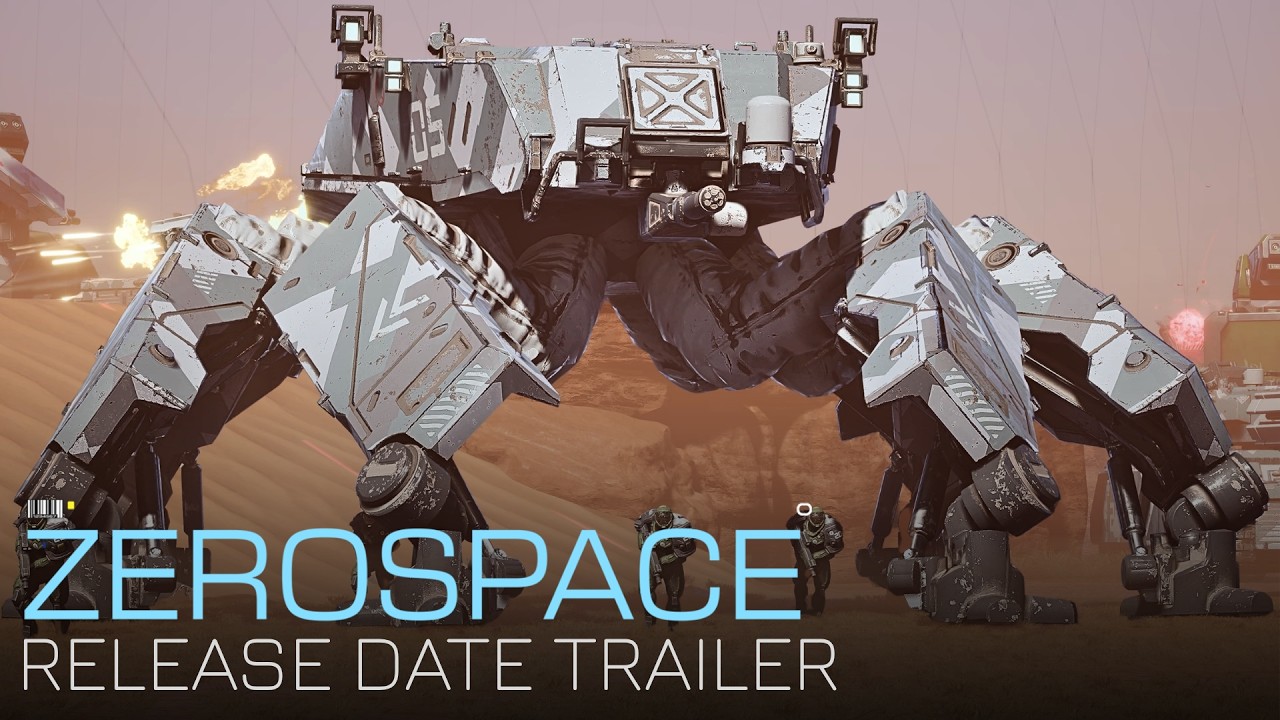
- Sci-fi RTS ZeroSpace combines StarCraft with Mass Effect RPG choices and look, they've got a Homeworld guy doing the mechsRock Paper Shotgun - News [May 29, 2026]
Sources
First Release:
2026-07-20
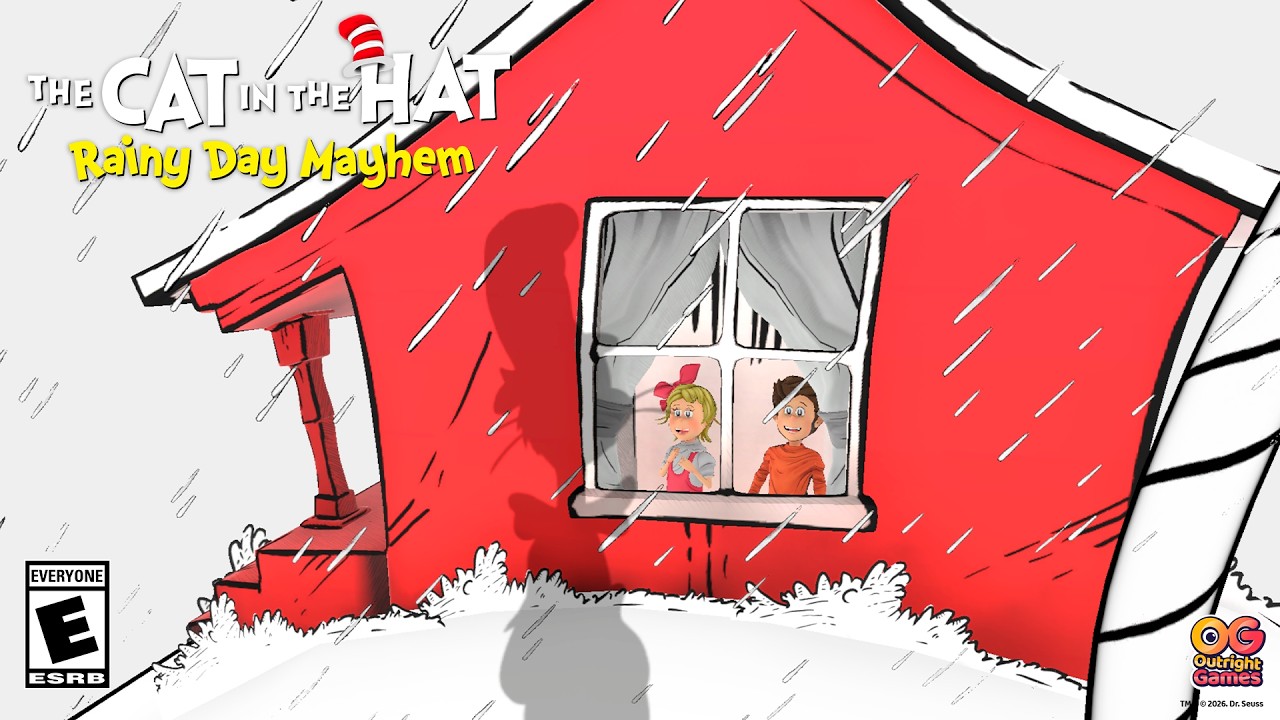
- The Cat in the Hat: Rainy Day Mayhem announced for PS5, Xbox Series, PS4, Switch, and PCGematsu [May 29, 2026]
Sources

First Release:
2026-10-30
- I absolutely agree with 33% of you when it comes to your choice of freaky Subnautica 2 crittersPCGamer News [May 29, 2026]
- Krafton have reportedly agreed to pay Subnautica 2's devs that $250 million bonus, following strong early salesRock Paper Shotgun - News [May 28, 2026]
Sources
Sources
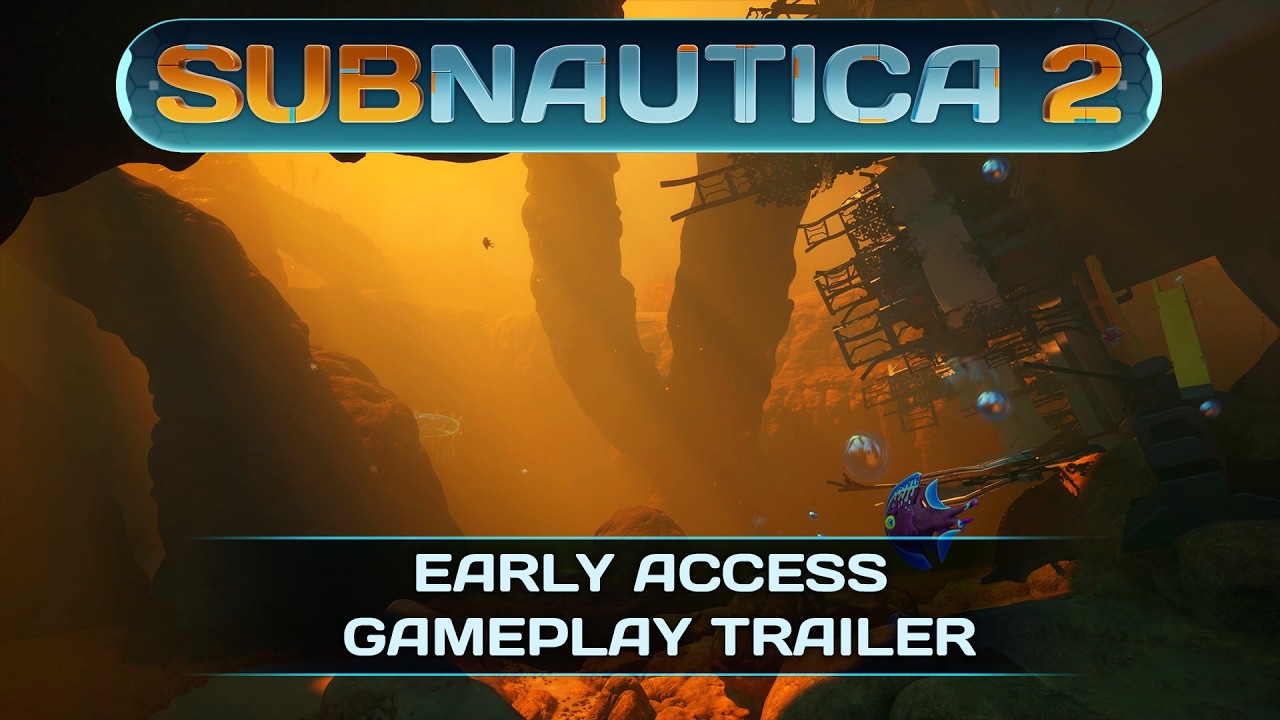
But honestly, while there's undoubted pleasure to be found in the usual social rhythms of collaborative sandbox survival, and as much as I've enjoyed the company, co-op is, I think, a pretty terrible way to experience Subnautica 2. Even in early access, this is a game of such carefully hewed ambience - of creeping dread and lingering melancholy, of intimate discovery and lonely survival - it doesn't feel quite right to ride roughshod over it all. And structurally, co-op is a bit of an awkward fit.
I adored the original Subnautica, so I’m pumped that the third game (Subnautica: Below Zero still exists, guys) is finally here. I don’t often put much time into Early Access titles, but I’m looking forward to exploring Subnautica 2’s depths and enduring what will likely be several jumpscares from all manner of Leviathan-class organisms lurking below. It seems I’ll be far from alone given how massively successful the launch has been, so here’s hoping the game is nothing but smooth sailing throughout its Early Access period.

The sheer coherence of Subnautica 2's early access build is also slightly miraculous, given that the developers have spent the past year in legal hell. I encountered no technical problems of note, and the distribution of resources and crafting recipes seems well judged, with codex hints and environmental cues guiding you towards rarer materials. Still, after seven hours, I do feel like I'm playing a remake rather than a sequel.
Hints of tragedy and disaster are everywhere, and after ten hours with the early access version, I'm keen to see just how all these elements - these alien creatures, this doomed world - fit together, and to learn exactly what the Pioneers' real place in all of this is. Already, even in Subnautica 2's far from finished state, it feels like there's simply so much to do; optimising crafting and base-building, locating more blackboxes to unravel, piecing together the story, and ultimately discovering what's hidden away in the ocean's complex cave networks and beyond. It's off to an encouraging start, then, and as much as I fear what's to be found later in deeper biomes, its compelling sense of discovery and mystery keeps drawing me on.
- If Subnautica 2 won't let you select 4K resolution, there's a remarkably easy fix PCGamer News [May 15, 2026]
- How to power your base in Subnautica 2 VGC [May 15, 2026]
- Subnautica 2 – How to eat VGC [May 15, 2026]
- How to use the scanner station in Subnautica 2 VGC [May 15, 2026]
- How to recharge gadgets in Subnautica 2 VGC [May 15, 2026]
First Release:
2026-05-14
Steam Ratings:
Very Positive (93%)
- Call Of Duty: Warzone For PS4 And Xbox One Is Being Delisted And Will Shut Down Later This YearGame Informer News [May 29, 2026]
- Warzone’s movement gets faster than ever with grapple hooks & wall jumping in every modeDexerto [Mar 27, 2026]
Sources
Sources
- COD Warzone Season 2 Reloaded: Best meta weapon loadout of each type VGC [Mar 12, 2026]
- “Sleeper” LMG brings back one of Warzone’s most dominant weapons ever Dexerto [Apr 20, 2026]

First Release:
2022-11-16
Steam Ratings:
Mostly Negative (28%)
- Inazuma Eleven: Cross launches June 9 in JapanGematsu [May 29, 2026]
- Inazuma Eleven: Cross launches in June in JapanGematsu [Apr 10, 2026]
Sources

Sources


First Release:
TBA
- Inazuma Eleven: Victory Road fifth free major update ‘New Kick-Off DLC’ launches June 11Gematsu [May 29, 2026]
- Inazuma Eleven ‘INA-DAI’ live stream set for May 29Gematsu [May 22, 2026]
Sources

Sources
Sources
Sources

Sources


First Release:
2025-11-13
Steam Ratings:
Very Positive (92%)
- Wuthering Waves version 3.4 update ‘The Dream Not Dreamed’ launches June 8Gematsu [May 29, 2026]
- Wuthering Waves version 3.3 update ‘Reverbs From the End of Galaxies’ launches April 30Gematsu [Apr 17, 2026]
- Wuthering Waves coming to Xbox Series in JulyGematsu [Mar 26, 2026]
Sources
Sources
Sources
Sources

Sources

First Release:
2025-04-28
Steam Ratings:
Very Positive (89%)
- Amidst ongoing legal proceedings, Rockstar devs have publicly formed a union with the IWGBRock Paper Shotgun - News [May 28, 2026]
- 6 months before the launch of Grand Theft Auto 6, Rockstar employees in the UK have formed a unionPCGamer News [May 28, 2026]
- Fired GTA 6 devs launch public union and confirm court date against RockstarDexerto [May 28, 2026]
- Take-Two CEO explains why Rockstar’s next game might not take as long as GTA 6Dexerto [May 28, 2026]
- GTA 6 beta scams are infecting fans with malware ahead of launchDexerto [May 26, 2026]
- GTA 6 Police feature may have been accidentally leaked by Rockstar in GTA OnlineDexerto [May 25, 2026]
Sources
Sources
Sources
Sources
Sources

First Release:
2026-11-19
- Monster Hunter Stories 3: Twisted Reflection launch trailer, screenshotsGematsu [Mar 5, 2026]
- Monster Hunter Stories 3: Twisted Reflection ‘Go Forth’ trailer, developer walkthroughGematsu [Feb 22, 2026]
- Monster Hunter Stories 3: Twisted Reflection ‘Welcome to Monster Hunter Stories’ trailerGematsu [Feb 12, 2026]
Sources
Sources
Sources
Sources
Sources

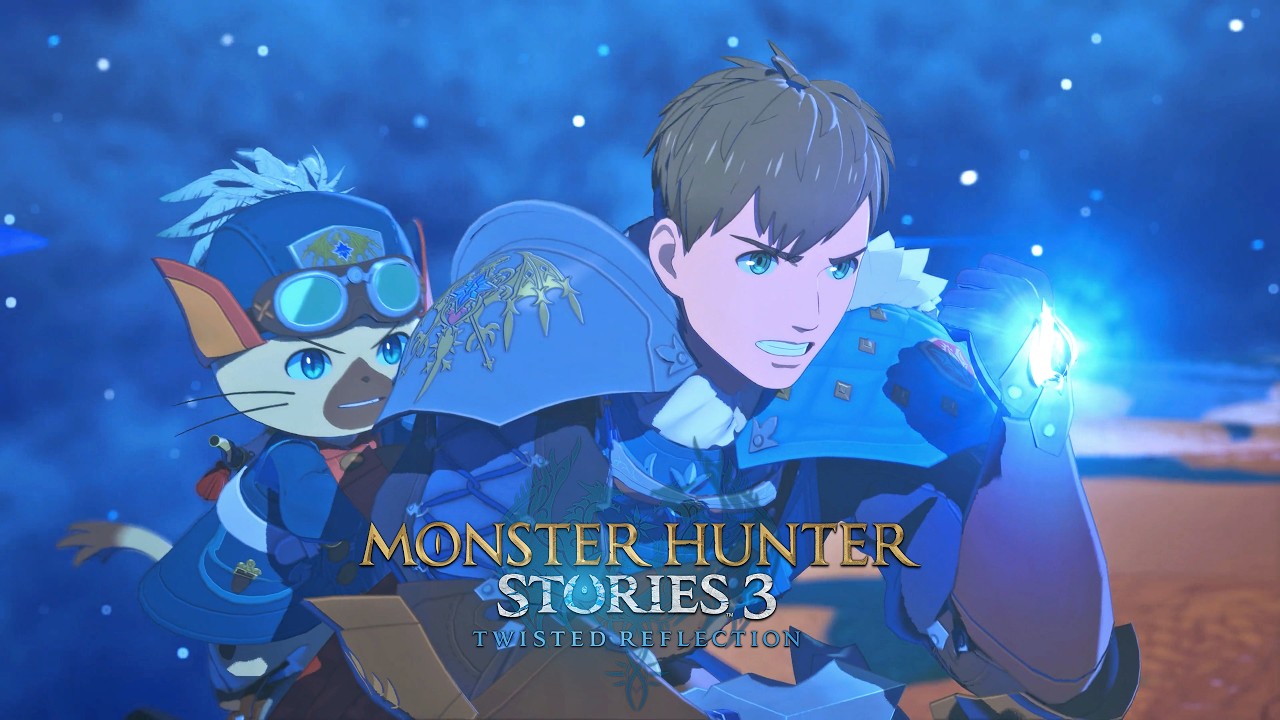
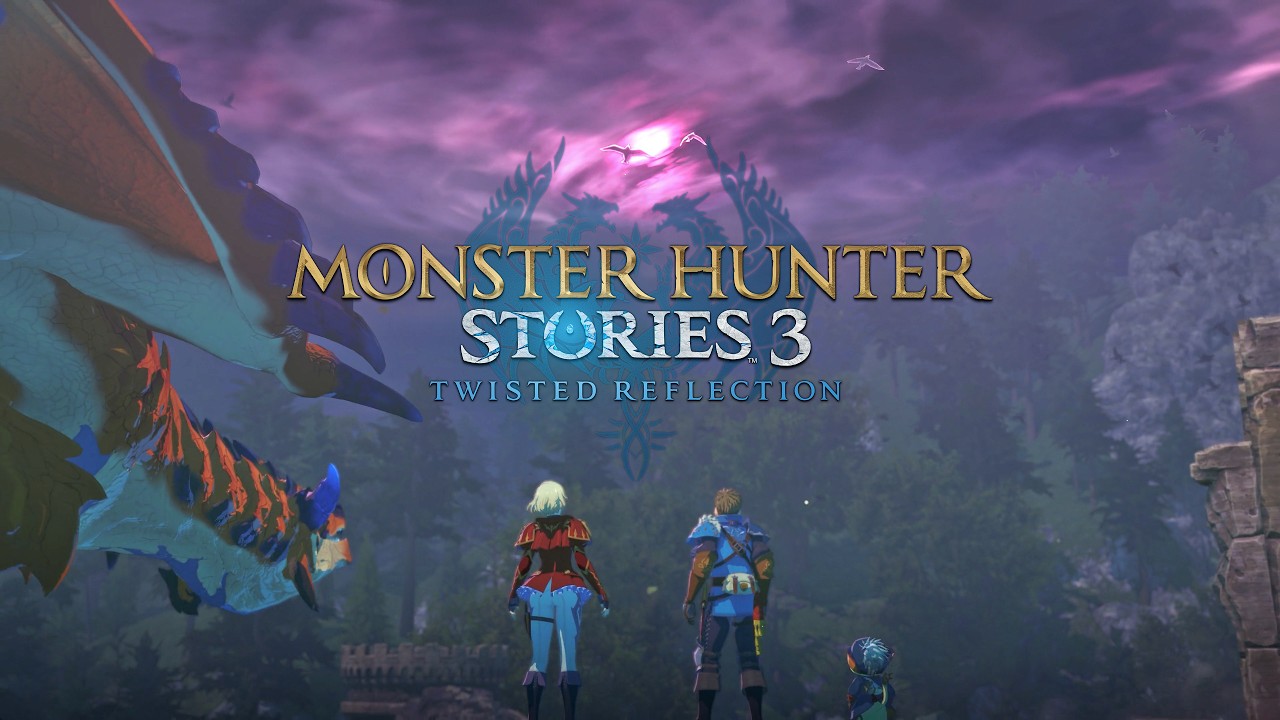
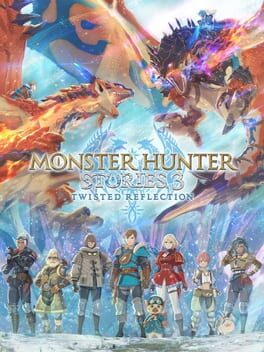
Monster Hunter Stories 3: Twisted Reflection represents a significant evolution for the series, surpassing its predecessors in both scope and execution. The narrative is grander and more immersive, complemented by high-fidelity visuals and a diverse cast of characters that each come with compelling backstories. From its meticulously detailed environments to the introduction of formidable new monsters, the game offers a heightened sense of adventure and higher stakes when you get down to some ol’ fashioned monster biffo.
Monster Hunter Stories 3: Twisted Reflection didn't "wow" me. Its story is adequately entertaining, its combat is sometimes tedious, and I wouldn't consider it a "must-play" role-playing game. Still, my time playing was pleasant more often than not,
Monster Hunter Stories 3: Twisted Reflection certainly knows how to distinguish itself. Whereas the mainline Monster Hunter games are defined by real-time combat, diversified through a variety of different weapons, the Stories franchise is a turn-based JRPG, built more around tactical combat, build-crafting, and character-first storytelling. Remarkably, Monster Hunter Stories 3 manages to retain the most essential elements of the core franchise.
Monster Hunter Stories 3 ReviewWhile its battle system is going to divide some players, the monster hatching and raising is some of the best in the business. Monster Hunter Stories 3 might be the best turn-based Monster Hunter yet, and shouldn’t be ignored by fans of Capcom’s larger-than-life series.
Monster Hunter Stories 3 delivers deep build crafting and battle systems, but they're wasted on a war story that's barely there.
Monster Hunter Stories 3: Twisted Reflection may not supersede the thrills of an action-packed hunt, while other JRPGs have made more significant evolutions in comparison. Nonetheless, it's still an improvement for this sub-series with production values, mechanical depth, and challenge that makes it a worthy companion piece to its mainline apex.
I realise I'm probably only just starting to scratch the surface of what Monster Hunter Stories 3: Twisted Reflection has to offer some seven or eight hours in, but already it's gripped me in a way none of its predecessors have done. And no, I didn't expect to be living in a topsy turvy world where I'm somehow enjoying a turn-based Monster Hunter spin-off more than its latest mainline entry, but here we are! Capcom's latest is gorgeous, it's compelling, it's thrilling, it's just the right amount of daft, and I'm excited to play on.
It’s a significant step up from the previous titles, offering a level of quality that – if sustained – will easily make it the best entry in the trilogy.
- Monster Hunter Stories 3 tips I wish I knew before starting VGC [Mar 12, 2026]
- Monster Hunter Stories 3: How long to beat, area and habitat list VGC [Mar 12, 2026]
- MHS3: How to get Pink and Dreadqueen Rathian VGC [Mar 13, 2026]
- MHS3 best console graphics mode: Performance vs Balanced vs Quality VGC [Mar 13, 2026]
- MHS3: Find and beat Invasive Odogaron VGC [Mar 16, 2026]
- MHS3: Find and beat Invasive Nerscylla VGC [Mar 17, 2026]
- MHS3: All Invasive Monster locations and strategies VGC [Mar 26, 2026]
First Release:
2026-03-12
Steam Ratings:
Very Positive (84%)
Critic Average:
82.0
- Crimson Desert's latest patch adds 20 new types of small animal and then hands Kliff a shotgunPCGamer News [May 25, 2026]
- In Crimson Desert's latest update, you can pick up baby wyverns as pets, throw your fish in a pond, and shut those pesky outlaws upRock Paper Shotgun - News [May 23, 2026]
Sources
As I’ve discovered in the few hours I’ve spent roaming the red pudding game’s map so far, its greatest strength is arguably in spoiling you for choice when it comes to distant towers to ponder from a vantage point. Whether you’ll actually encounter any of the sorts of intriguing quests or well fleshed-out dungeons you’d expect from the likes of The Witcher 3 or Skyrim on the way is another matter, but when it comes to well-stocked horizons, Crimson Desert’s got them covered.
Crimson Desert sees an absolutely incredible open-world adventure undercut by a lackluster story with some of the most frustrating bosses, puzzles, and controls I’ve come across.
Crimson Desert is ludicrously overstuffed with mechanics and systems, a scant few of which are really quite excellent (picking up cats and catapulting off trees are the highlights), but the rest of which feel half-baked. And they're the ones that you spend all your time with. Believe me, I want to like the game.
One can’t help but see at least a couple of genres’ worth of influence when playing Crimson Desert. Moments and interactions will strongly evoke some of the coolest shit you’ve seen over the years in action-adventure games of many denominations. When I think of my six hours with Crimson Desert, I find myself constantly drawing comparisons to two other big-name, fantasy action titles: Dragon’s Dogma 2 and The Legend of Zelda: Tears of the Kingdom.

A vast world and even vaster array of MMO-like activities mix with glittering fidelity in Crimson Desert, but what good is it without much character, texture or charm?
Crimson Desert offers one of the most impressive worlds in gaming, but the deeper you go, the more it asks you to meet it on its own terms.
Proving that looks aren’t everything, Crimson Desert’s stunning visuals and strong performances aren’t enough to save it from being a disappointing experience. Jam-packed with content and systems that make it feel like a Jack of all features, master of none with an unenjoyable gameplay loop, Crimson Desert is really just a single-player MMORPG in all but name.
Vast and obtuse in a way that is going to frustrate some and exhilarate others, Crimson Desert is a fascinating journey, even when the destination isn't all that.
Crimson Desert is messy, but as you untangle its mechanics and compensate for its flaws, elements of genius and wonder make the experience worthwhile. Take time to leave the beaten path and find out which of its many facets appeals to you, and you'll discover a game that's far better as a sandbox than as a story.
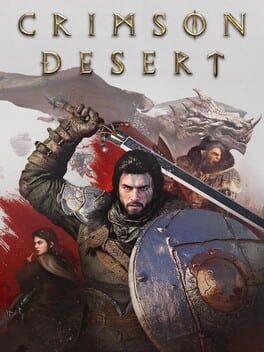
The first meal you learn to cook in Crimson Desert is Clear Soup, a brothy mixture of simply water, meat, and lentils. It looks nice and is probably filling, but would no doubt be a bit simple and leave you wanting something with a little more depth of flavor. As it turns out, it’s the perfect allegory for Crimson Desert at large: a beautiful, exploration-rich open-world game that’s a clear technological achievement, hampered by a cornucopia of little frustrations and a stark lack of narrative depth.
- Crimson Desert release times for every platform and region VGC [Mar 18, 2026]
- Crimson Desert can be overwhelming—do this one thing in each new city to make your life much easier PCGamer News [Mar 19, 2026]
- Trial After Trial Crimson Desert guide VGC [Mar 19, 2026]
- Crimson Desert: Toward the Nest — how to activate the skybridge VGC [Mar 19, 2026]
- How to enter Hernand Castle in Crimson Desert VGC [Mar 19, 2026]
- Crimson Desert: how to dye clothes and customise your character VGC [Mar 19, 2026]
- Crimson Desert: reach and solve the Path of Serpents abyss VGC [Mar 19, 2026]
- Crimson Desert: Gate to the Otherworld and Spire of the Stars guide VGC [Mar 19, 2026]
- Crimson Desert Kilnden Workshop guide – how to fix the kilns VGC [Mar 19, 2026]
- Crimson Desert: Traces in the Manor – the secrets of Glenbright Manor guide VGC [Mar 19, 2026]
- Crimson Desert abyss guide: The Path of Providence VGC [Mar 19, 2026]
- Crimson Desert — how to replenish your horse’s stamina VGC [Mar 19, 2026]
- Crimson Desert: How to Fast Travel VGC [Mar 19, 2026]
- Crimson Desert full guide and walkthrough VGC [Mar 20, 2026]
- Crimson Desert: How to fish VGC [Mar 20, 2026]
- Crimson Desert: Arm Wrestling explained, how to win VGC [Mar 20, 2026]
- Crimson Desert: How to find and catch Blix VGC [Mar 23, 2026]
- Grab this early gold bar in Crimson Desert to open a bank account and make some money PCGamer News [Mar 23, 2026]
- Crimson Desert: Darkbringer location, unique two-handed greatsword VGC [Mar 25, 2026]
- Crimson Desert: Bloodstone locations, 3 easy to find Bloodstone veins VGC [Mar 27, 2026]
- Crimson Desert: White Bear and Snowwhite Deer mount locations VGC [Mar 30, 2026]
- Crimson Desert: All Contradiction answers for The Weight of Knowledge VGC [Mar 31, 2026]
- Crimson Desert's waterskiing shoes are my favorite silly gadget the game has produced so far PCGamer News [Mar 31, 2026]
- Crimson Desert: How to take in the dog VGC [Apr 1, 2026]
- If you're struggling with Crimson Desert's double jump as much as I was, it's because of this mistranslation PCGamer News [Apr 13, 2026]
First Release:
2026-03-19
Steam Ratings:
Very Positive (86%)
Sources

Sources
[;ASKLDFAL;S C;A is] a very silly, surprisingly fun mode, one which I'll be using as my cooldown when I'm getting a little too fed up with whatever shenanigans my teammates are getting up to in quick play.

First Release:
2023-08-10
Steam Ratings:
Mostly Negative (39%)
- Heroes of Might and Magic: Olden Era is getting a roguelike mode, a Thieves Guild, and a sprawling underworld with unique terrainRock Paper Shotgun - News [May 29, 2026]
- Heroes of Might and Magic: Olden Era teases a roguelike mode as it hits 1 million salesPCGamer News [May 28, 2026]
- Heroes of Might and Magic: Olden Era teases a roguelike mode as it hits 1 million salesPCGamer News [May 28, 2026]
Sources
Sources
Sources
Heroes of Might and Magic: Olden Era is a triumphant return for the legendary strategy RPG series. Even in early access, this is the best entry since the iconic Heroes 3, combining the appeal of the classics with slick modernization and plenty of fresh ideas. This launch is a terrific starting point, and is already incredibly feature-rich, offering near limitless play.
Another argument for Olden Era is that there aren't many directly comparable games, even though it's been 10 years since the last proper HOMM – Songs of Conquest, I guess? Heroes of Might and Magic is very much its own style. I'd say Unfrozen are off to a good start with this comeback project.
First Release:
2026-04-30
Steam Ratings:
Very Positive (88%)
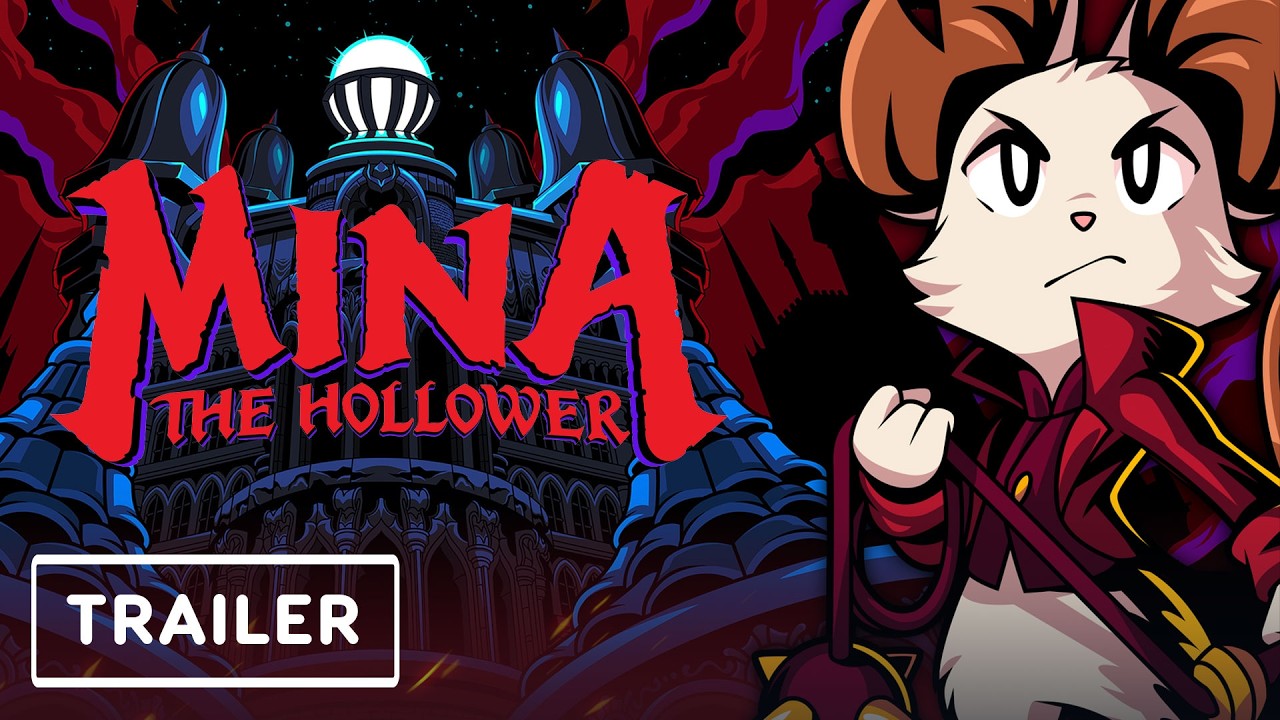
- Yacht Club Games "make-or-break" moment Mina the Hollower gets a May release dateRock Paper Shotgun - News [May 7, 2026]
- Pixelated Zelda-like Mina the Hollower lands its "final" release dateEurogamer [May 7, 2026]
- Mina the Hollower launches May 29Gematsu [May 6, 2026]
- Mina The Hollower Finally Launches Later This MonthGame Informer News [May 6, 2026]
Sources
Sources
Here is a game that feels like an adventure. And it feels like it was an adventure to make, too. Mina the Hollower took six years to design and build, six years that took it from what sounds like a kind of coding doodle to a panoramic journey across a richly imagined island, taking in platforming and combat, puzzle-solving, and sheer immersion in the world building.
Mina is a gloriously gothic combination of ferocious combat and beautiful scenery, with enough secrets and modifiers to keep the game fresh and fun for a very long time.
Yes, Mina the Hollower is a love letter to Game Boy Zelda titles. It's also a 2D Soulslike, a top-down Castlevania, and somehow, something all its own. You can probably find a precedent for every mechanic here, to the point where it's almost impossible to discuss Mina the Hollower without invoking other games.
Despite Shovel Knight’s myriad spin-offs and continued ubiquity in the indie game space, it’s been more than a decade since developer Yacht Club Games delivered something wholly new. And maybe calling Mina the Hollower entirely “new” is a misnomer, as it is a reverential showcase of beloved game design and visual ideas from the past and present, all arranged into something that manages to be unique and nostalgic at the same time. Mina is not without its frustrations, but its density of discoveries, sense of place, and heartfelt story and characters all deliver an experience I was thinking about often whenever I wasn’t playing.
Mina the Hollower is a game in the Zelda tradition. It's a top-down affair like the original games, and while Mina can jump, they jump just like Link does in - hey! - Link's Awakening. They jump up into the space above the screen, as it were, and you need to use their shadow to work out where they are so you can collect things hovering about them and then stick the landing.

First Release:
2026-05-28
- Cypher removed from Valorant as powerful Spycam bug returnsDexerto [May 29, 2026]
- Valorant 12.10 patch notes bring long-awaited feature for replaysDexerto [May 26, 2026]
Sources
Sources

First Release:
2020-06-02
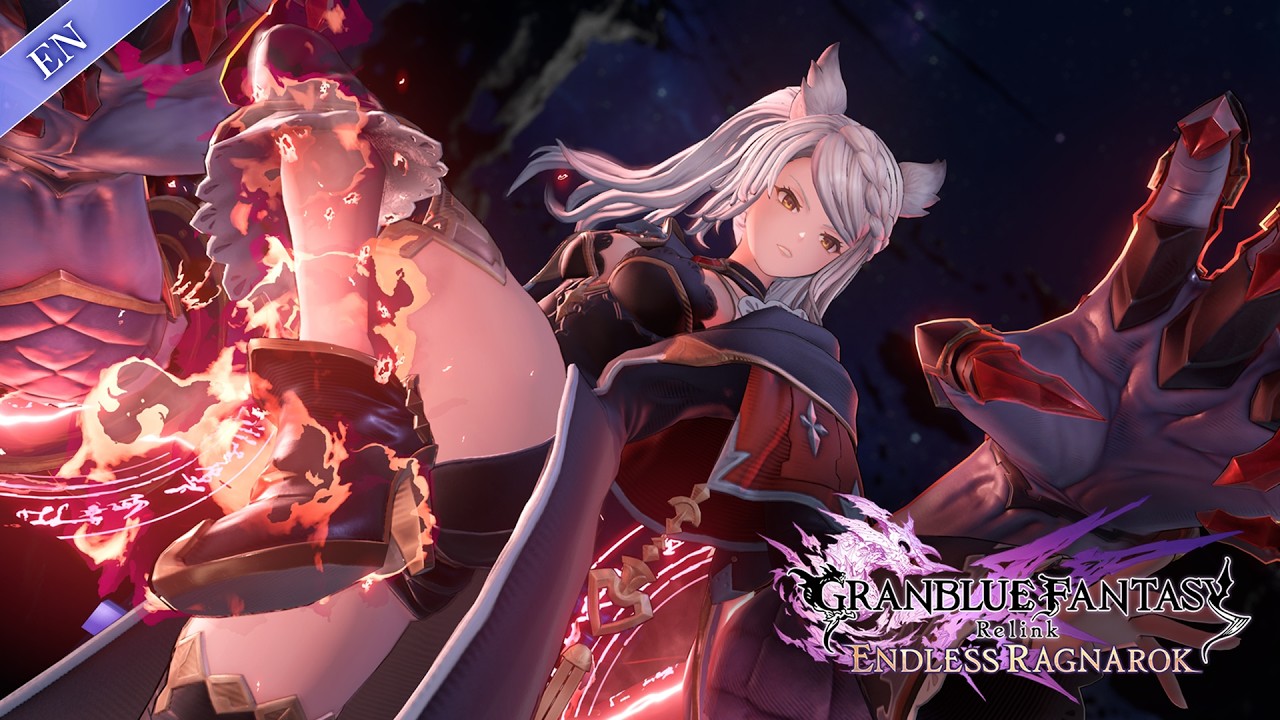
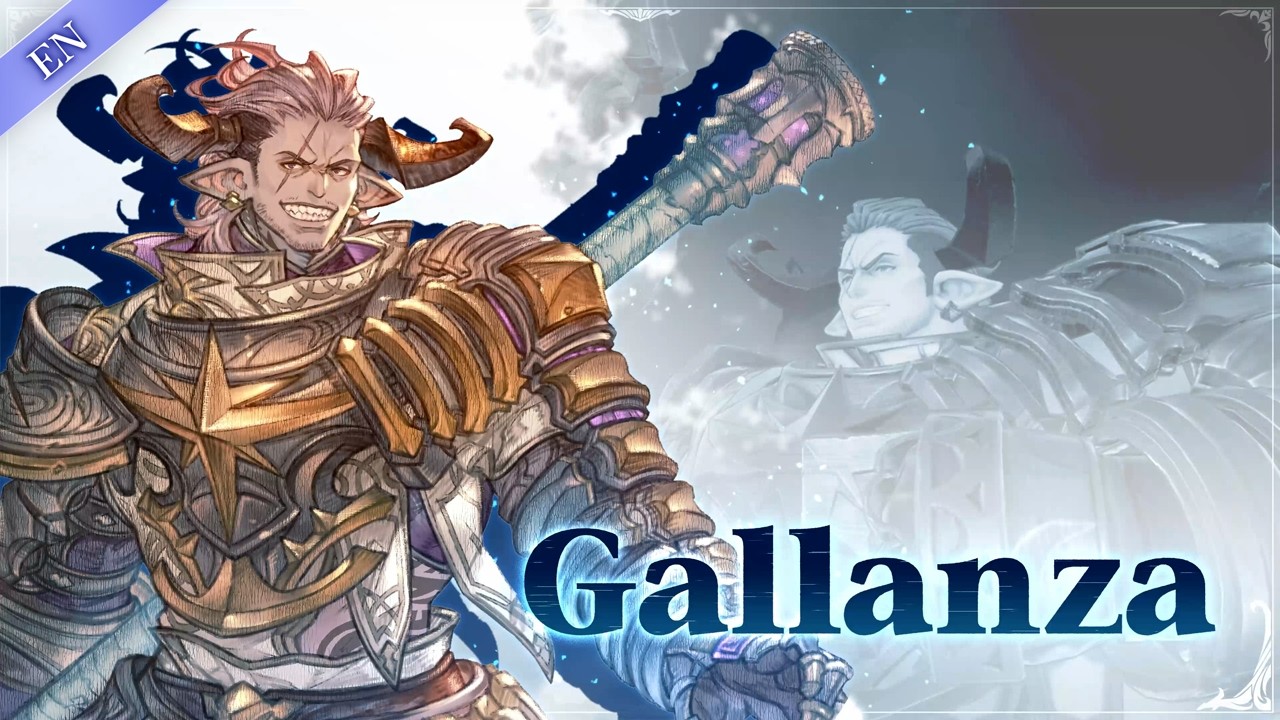
- Granblue Fantasy: Relink – Endless Ragnarok ‘Meet the Crew: Fraux’ trailerGematsu [May 29, 2026]
- Granblue Fantasy: Relink – Endless Ragnarok pre-orders now availableGematsu [May 14, 2026]
Sources

Sources
Sources

First Release:
2024-01-31
Steam Ratings:
Very Positive (92%)
Sources


First Release:
TBA
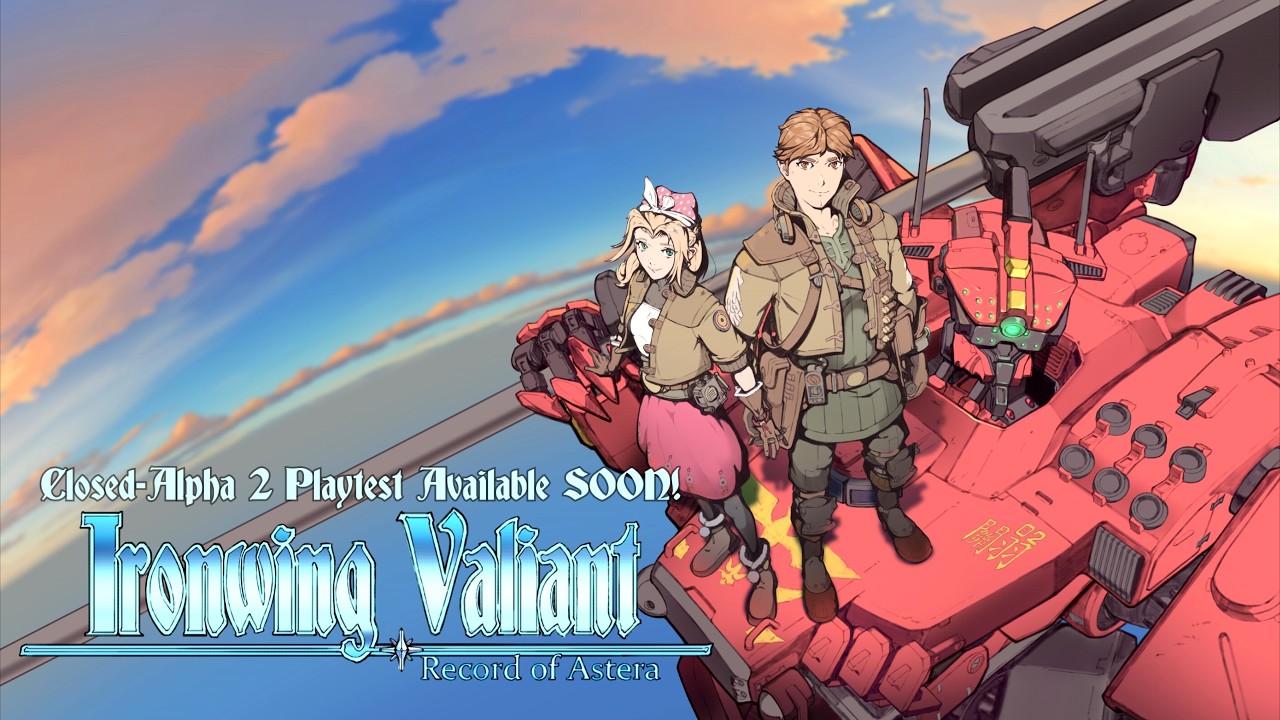
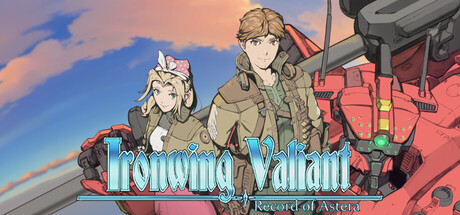
- Ironwing Valiant: Record of Astera second closed alpha test announcedGematsu [May 29, 2026]
Sources
First Release:
TBA
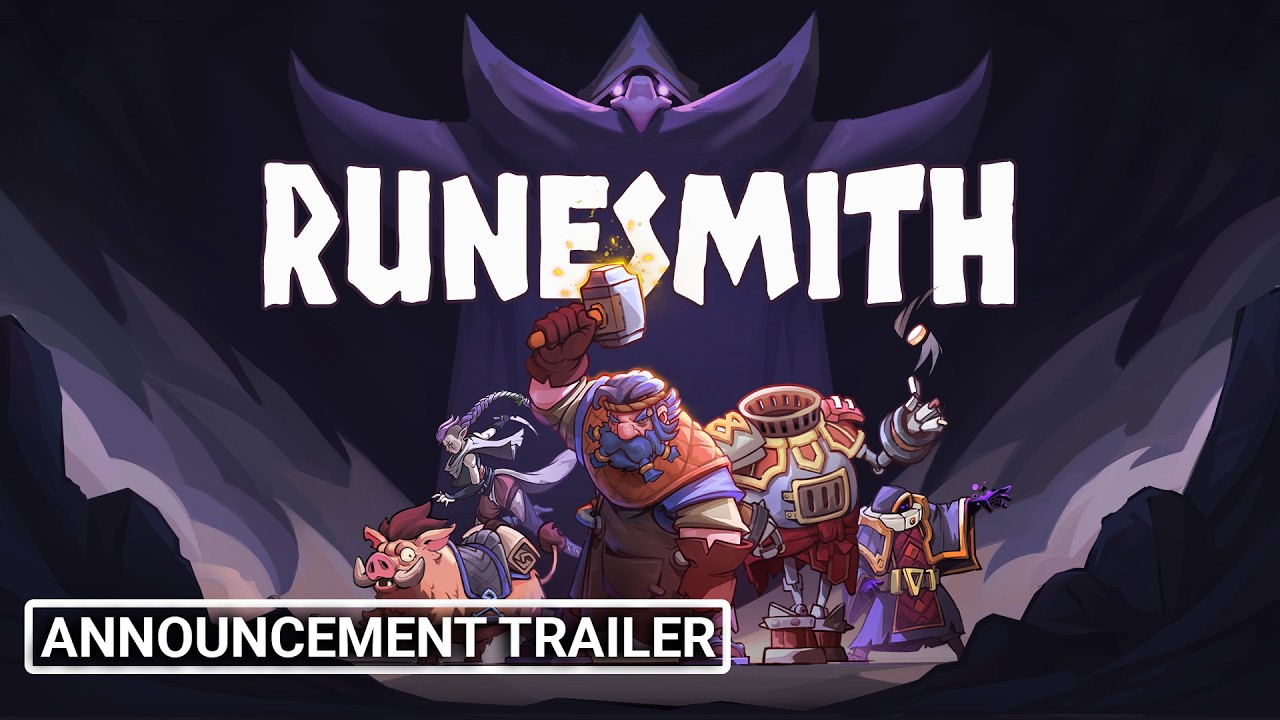
- Dwarven tactical RPG Runesmith announced for PCGematsu [May 29, 2026]
Sources
First Release:
TBA
Sources


First Release:
TBA
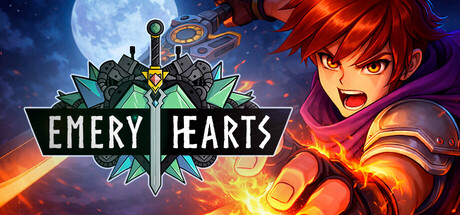
- Emery Hearts launches September 2Gematsu [May 29, 2026]
Sources

First Release:
TBA
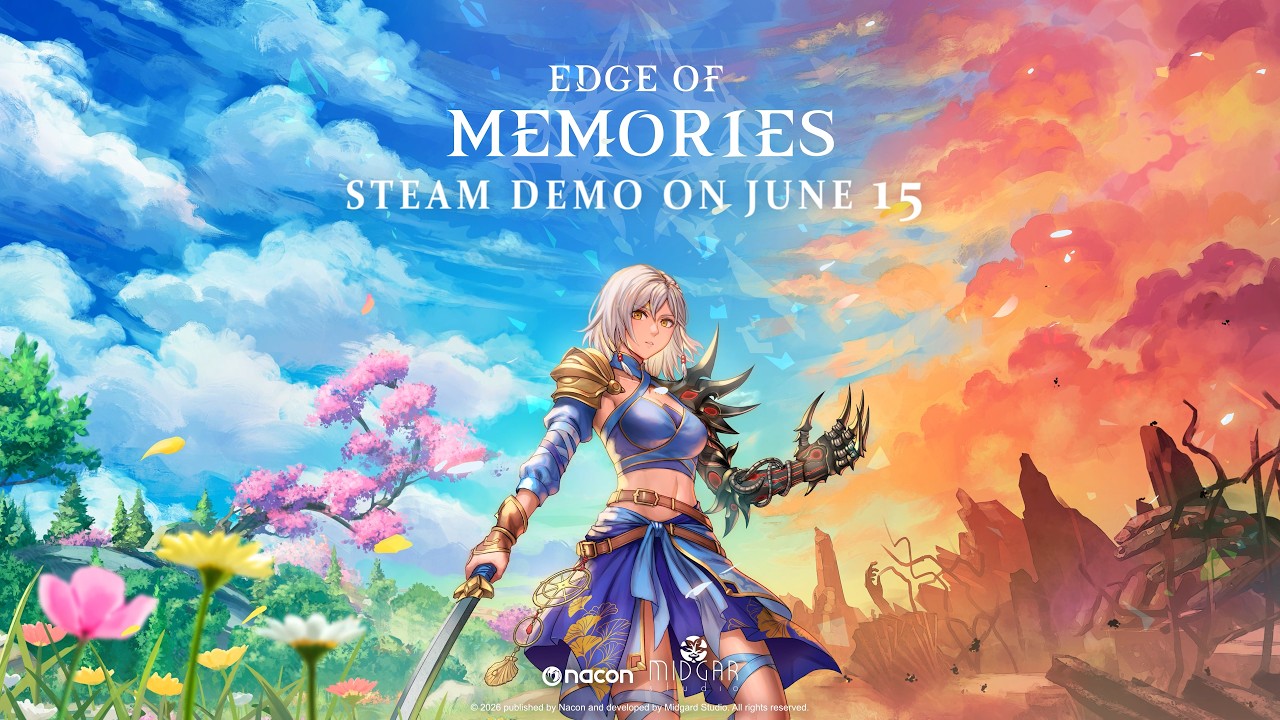
- Edge of Memories demo launches June 15 for PCGematsu [May 29, 2026]
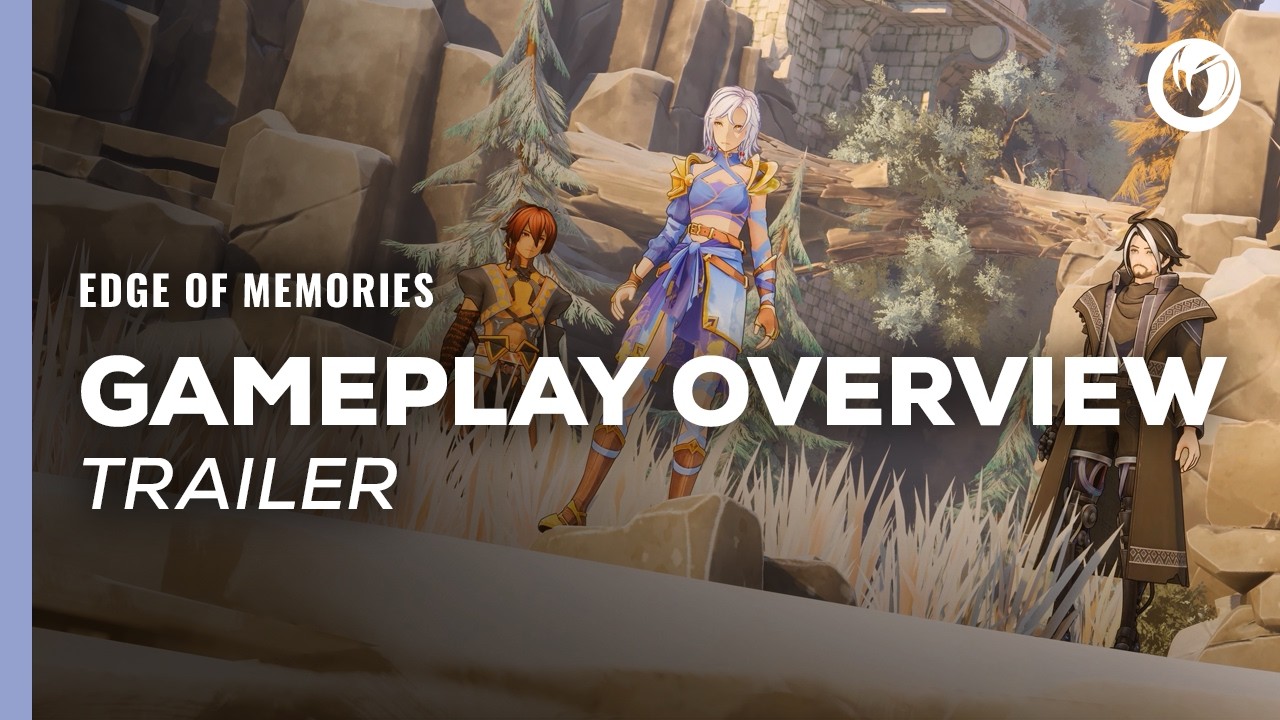
- Edge of Memories ‘Gameplay Overview’ trailerGematsu [May 7, 2026]
Sources
Sources

First Release:
2026-12-31
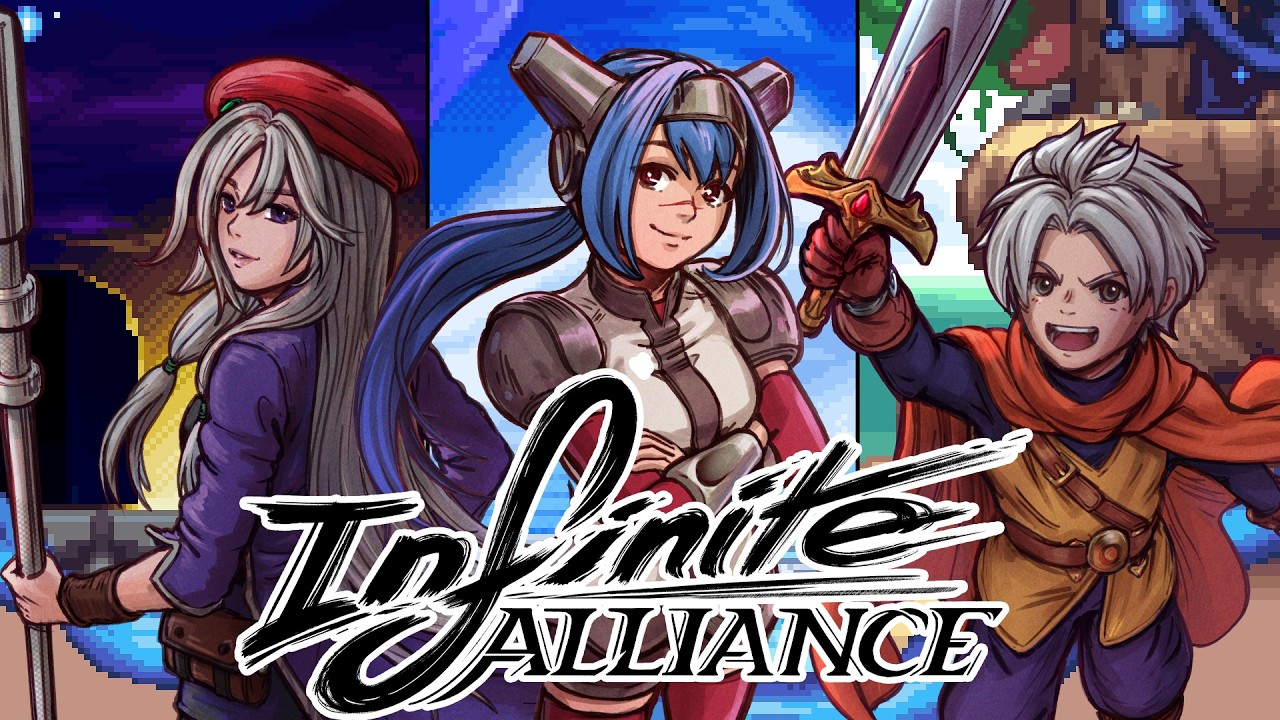
- Infinite Alliance adds CrossCode, Seed of Nostalgia, and Cosmic Star Heroine charactersGematsu [May 29, 2026]
Sources
First Release:
2026-12-31
- Story-driven Japanese-inspired RPG Full Circle announced for consoles, PCGematsu [May 29, 2026]
Sources

First Release:
TBA
- After the success of Lord of Hatred, Diablo 4 looks to be turning its back on the fun in its next seasonPCGamer News [May 28, 2026]
- "Seven or eight years is not that unusual": Diablo 4 lead says AAA games are taking longer to make, which is bad news for junior applicantsRock Paper Shotgun - News [May 20, 2026]
Sources
Sources
Sources
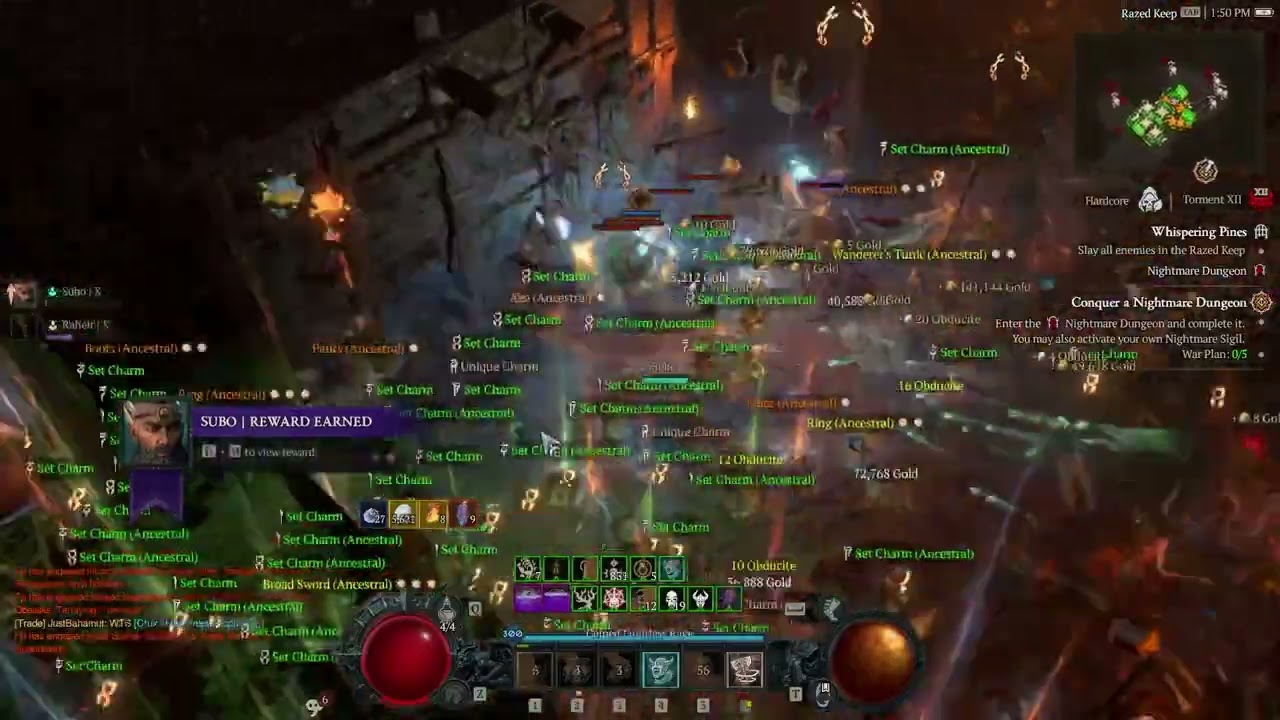
Boasting a profound reinvention that overhauls the game’s core player power routes and lacklustre endgame options, Lord of Hatred is a masterful recalibration that replaces "more of the same" with genuine mechanical depth, making it an essential evolution for veterans and the perfect demonic olive branch for the sceptics.
I thoroughly enjoyed my time with Lord of Hatred and think it goes a long way towards improving the Diablo 4 experience as a whole. While I could nitpick a few issues here and there, the package in its entirety is an impressive expansion that offers tons of welcome features and challenges to keep Diablo 4 players engaged in endgame content for hundreds of hours more. I can easily see Lord of Hatred becoming one of the most beloved expansions in the Diablo franchise.
Lord of Hatred brings a campaign packed with thrills and a systems refresh that revolutionizes the loot chase.
Lord of Hatred offers a grim, emotional, and satisfying conclusion to the Age of Hatred saga that began in Diablo IV’s original campaign. A gripping narrative paves a perfect playground to explore the newly introduced Skovos region as the expansion’s entertaining new classes: Warlock and Paladin. Tack on new endgame systems designed to simplify and further incentivize post-story activities, and Diablo IV has another strong argument to dive back into Hell.
- Diablo 4: Best classes for Lord of Hatred Season 13, ranked VGC [May 6, 2026]

First Release:
2023-10-17
Steam Ratings:
Mixed (68%)
- Hollow Knight: Silksong physical edition announced for PS5, Xbox Series, and Switch 2Gematsu [May 28, 2026]
- Ahead of Hollow Knight: Silksong's Sea of Sorrow expansion, Team Cherry have gotten their Traditional Chinese and German translation ducks in a rowRock Paper Shotgun - News [Mar 18, 2026]
- Hollow Knight: Silksong gets final "significant" patch before Sea of Sorrow expansionEurogamer [Mar 18, 2026]
Sources
Sources
Sources
First Release:
2025-09-04
Steam Ratings:
Very Positive (93%)
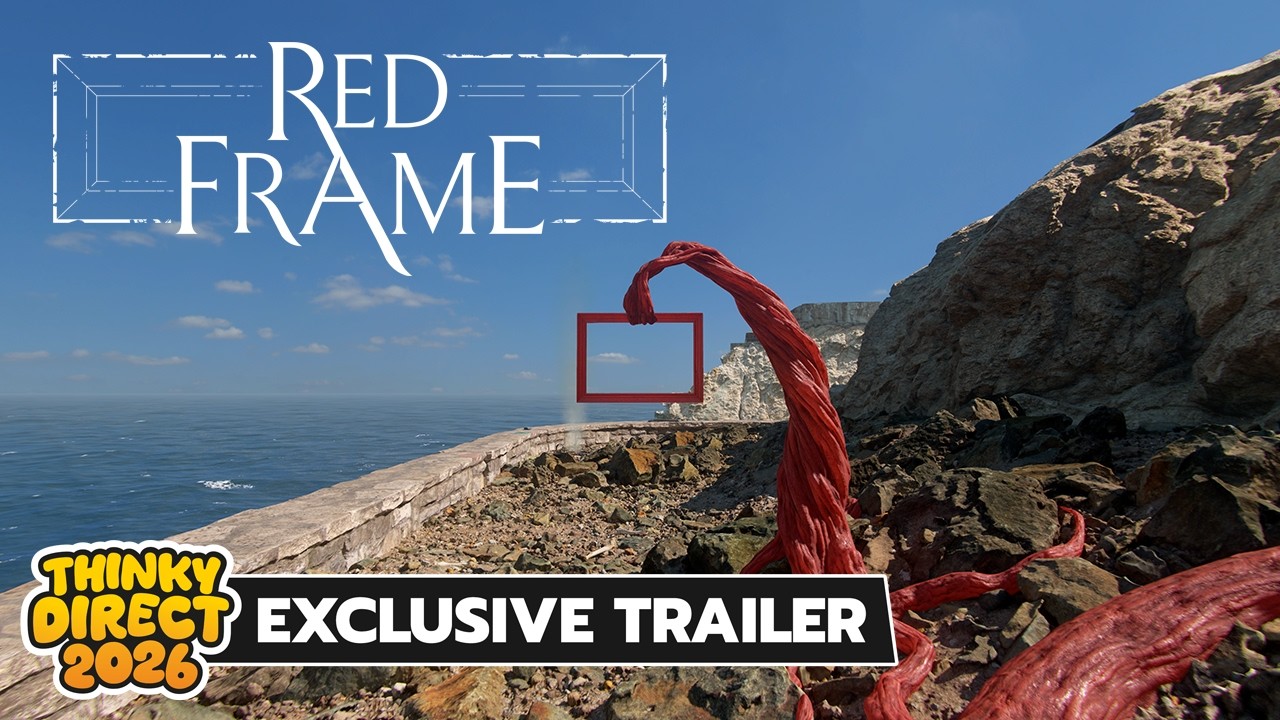
- Red Frame is a Witnessian puzzle game where every red frame you find has a conundrum for you to solveRock Paper Shotgun - News [May 28, 2026]
Sources

First Release:
TBA
Sources
First Release:
2022-10-22
Steam Ratings:
Mostly Negative (37%)
To golf, I press Tab, which pulls the camera back to give me a full-body, third-person view of my FMV golf-self as additional UI panels accumulate on-screen. One represents my character's body, letting me swing my club by clicking and dragging my hands, determining the swing's power and contact angle with the ball based on my speed and movement. It's imprecise, but it's manageable after some trial and error.

First Release:
TBA
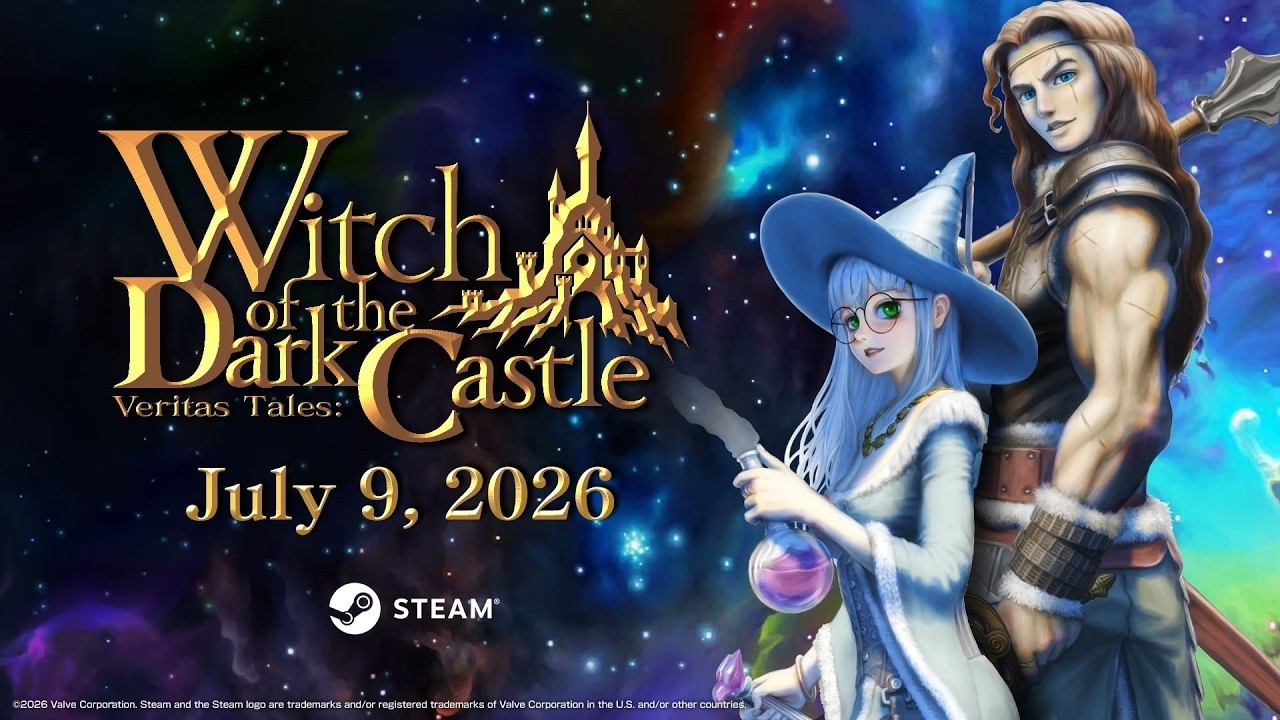
- Here's a choose your own adventure RPG from a former Capcom dev who spent six years in a remote Japanese mountain village making itRock Paper Shotgun - News [May 28, 2026]
- Veritas Tales: Witch of the Dark Castle launches July 9Gematsu [May 26, 2026]
Sources
Sources
First Release:
TBA
- The Witch’s Bakery launches in AugustGematsu [May 28, 2026]
Sources



First Release:
TBA
- The Remake of the End of the Greatest RPG of All Time, out today, wants you to figure out what the greatest RPG of all time really isRock Paper Shotgun - News [May 28, 2026]
- The Remake of the End of the Greatest RPG of All Time launches May 28Gematsu [Apr 24, 2026]
Sources
Sources
First Release:
2026-05-28
Steam Ratings:
Positive (90%)
Sources


First Release:
2026-05-28
Steam Ratings:
Very Positive (92%)
- Planet Zoo 2 is on the way later this year, adding in aquatic animals as a big win for mola mola loversRock Paper Shotgun - News [May 28, 2026]
- Planet Zoo 2 announced for PS5, Xbox Series, and PCGematsu [May 28, 2026]
- It looks like a Planet Zoo 2 reveal is just around the cornerEurogamer [May 26, 2026]
Sources

Sources
Sources


First Release:
2026-10-13
- Frog Sqwad launches June 11Gematsu [May 28, 2026]
- Frog Sqwad launches in June for Xbox Series, PCGematsu [Mar 26, 2026]
Sources
Sources

First Release:
2026-06-11
- Paralives continues to sound promising with a roadmap outlining free updates The Sims would normally charge forRock Paper Shotgun - News [May 23, 2026]
- Paralives is possibly the first ever videogame with a character editor that gives people motion sicknessRock Paper Shotgun - News [May 27, 2026]
- After seven years of development, Paralives is out in early accessRock Paper Shotgun - News [May 25, 2026]
- Paralives launch times and release datePCGamer News [May 25, 2026]
- Take a nice long look at some Paralives gameplay ahead of its early access launch next weekRock Paper Shotgun - News [May 19, 2026]
Sources
Sources
Sources
Sources
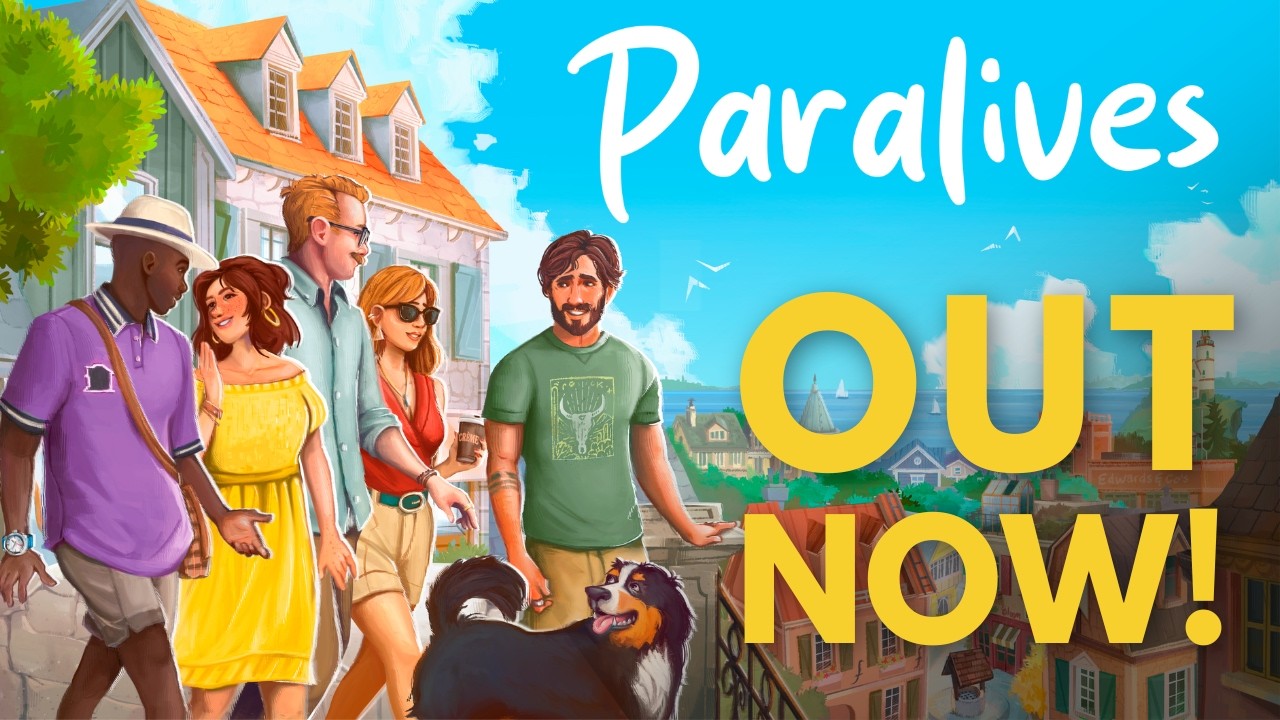
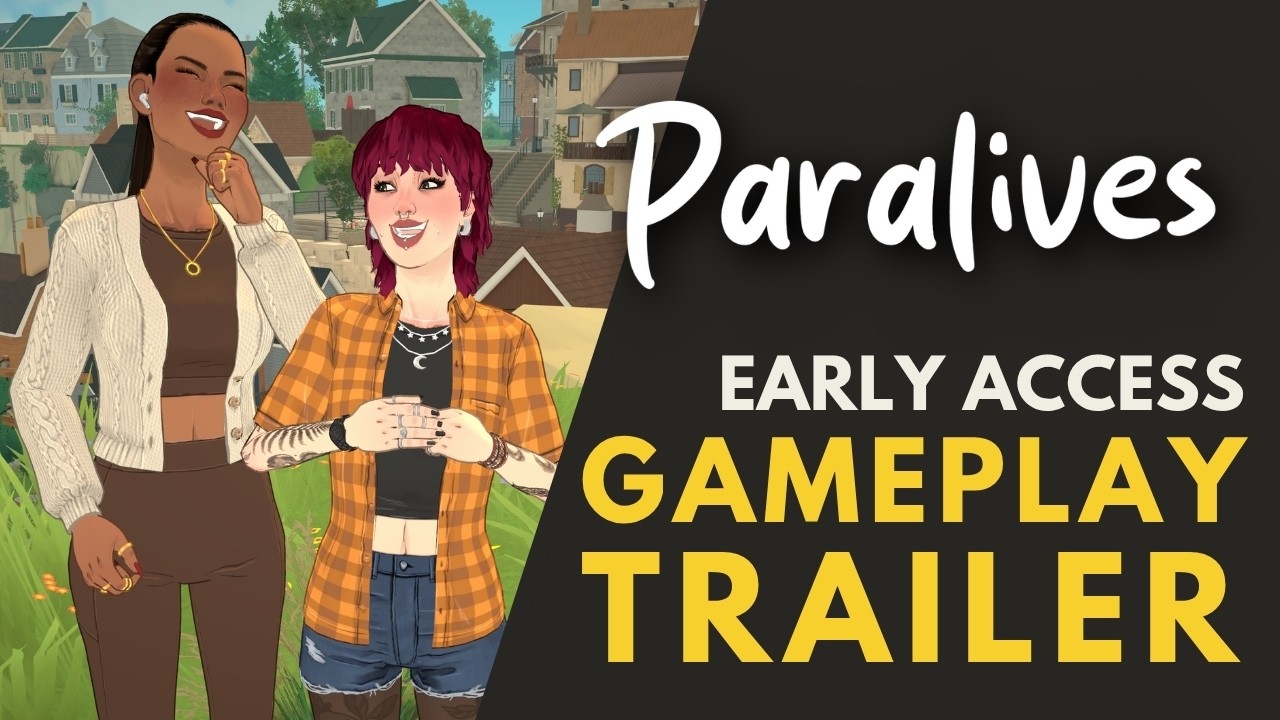
My mom would tell me not to count my chickens before they've hatched, but the Paralives roadmap reads like my life sim dreams come true. The only problem is that it's a little hard to follow between a sparse infographic and a detailed Notion outline, but that's easy enough for me to solve and present here.
Paralives takes a different tack; opting for a sort of cosy-game-adjacent level of lower-stress, lower-stakes tranquility. It's an ambience reflected in its aesthetic, as Paralives Studio adopts a muted, sketchbook-watercolour artstyle that's just inherently more chilled, and a soundtrack that can be similarly lo-fi. And it's there in the design of Paralives' relatively expansive open(ish)-world map too.
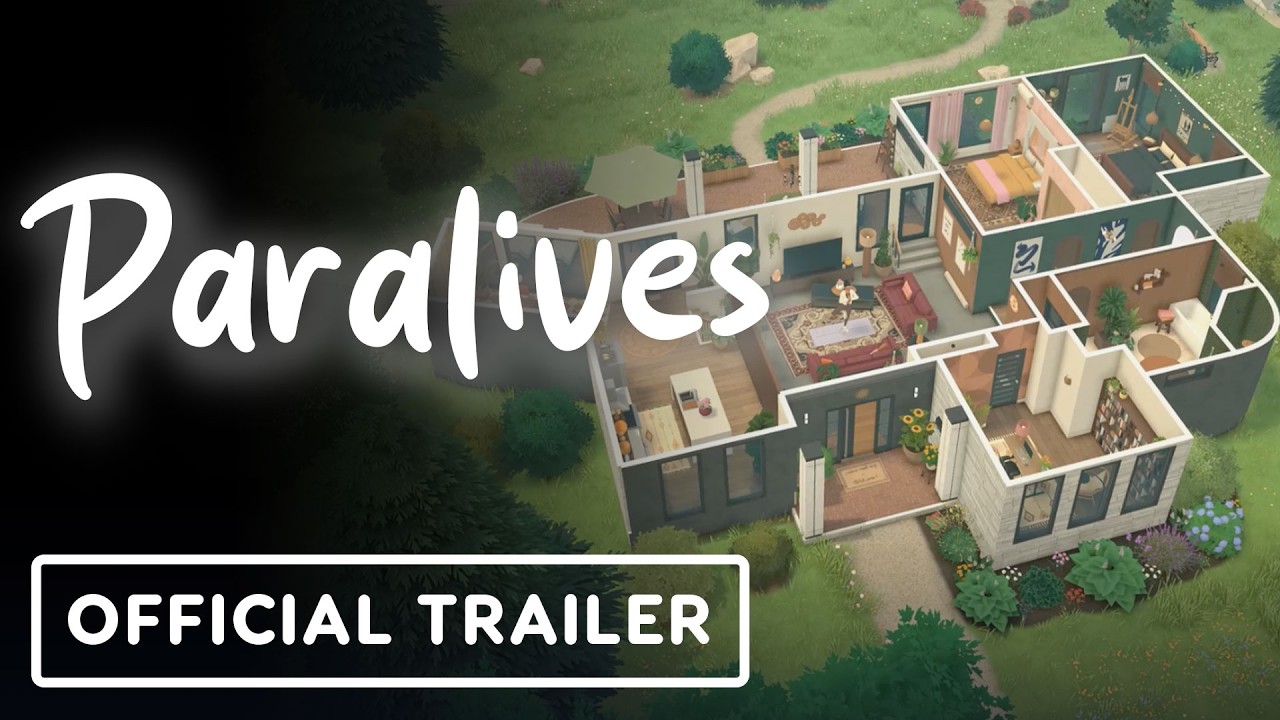
I suspect this is intentional, but so much of what is shown off is the kind of stuff I've wished to see in The Sims for years. Tiny quality-of-life tweaks here, or mind-bogglingly absent features in The Sims that are happily present in Paralives' early access launch.
First Release:
2026-05-25
Steam Ratings:
Very Positive (89%)
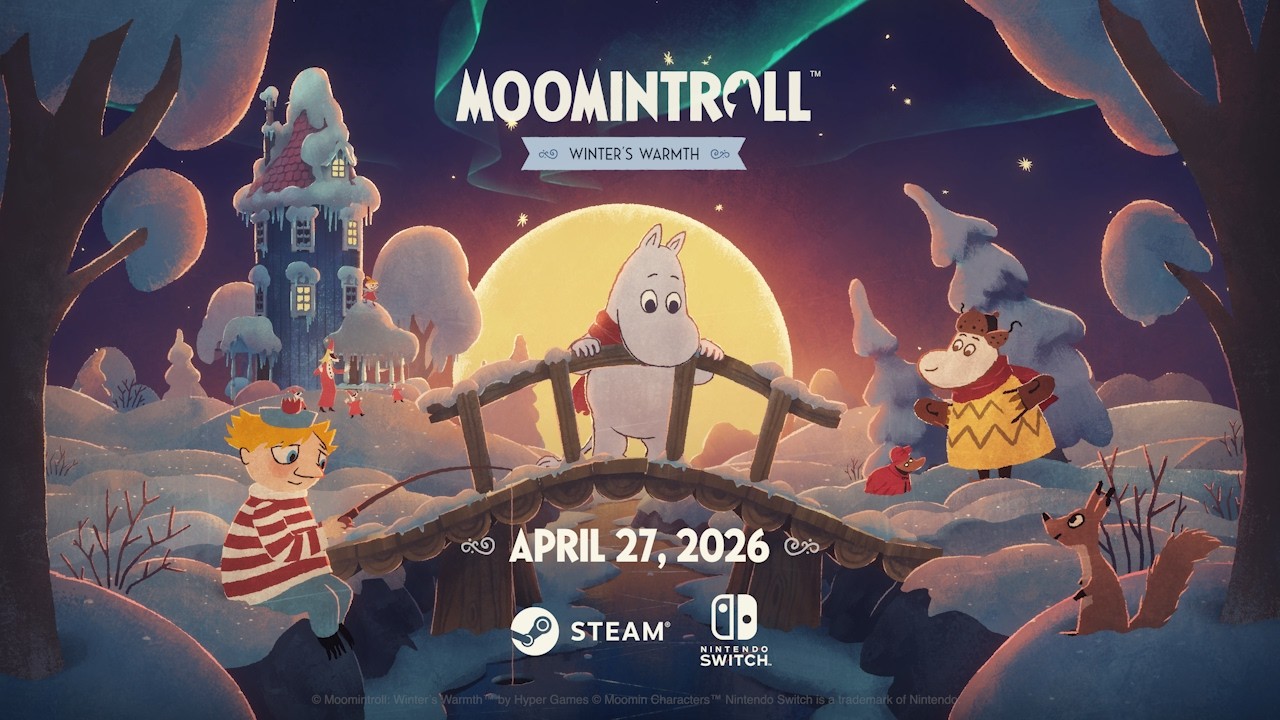
- Moomintroll: Winter’s Warmth coming to PS5 alongside physical editionsGematsu [May 28, 2026]
- Moomintroll: Winter’s Warmth launches April 27 for Switch, PCGematsu [Feb 19, 2026]
Sources

Sources
First Release:
2026-04-27
Steam Ratings:
Very Positive (98%)
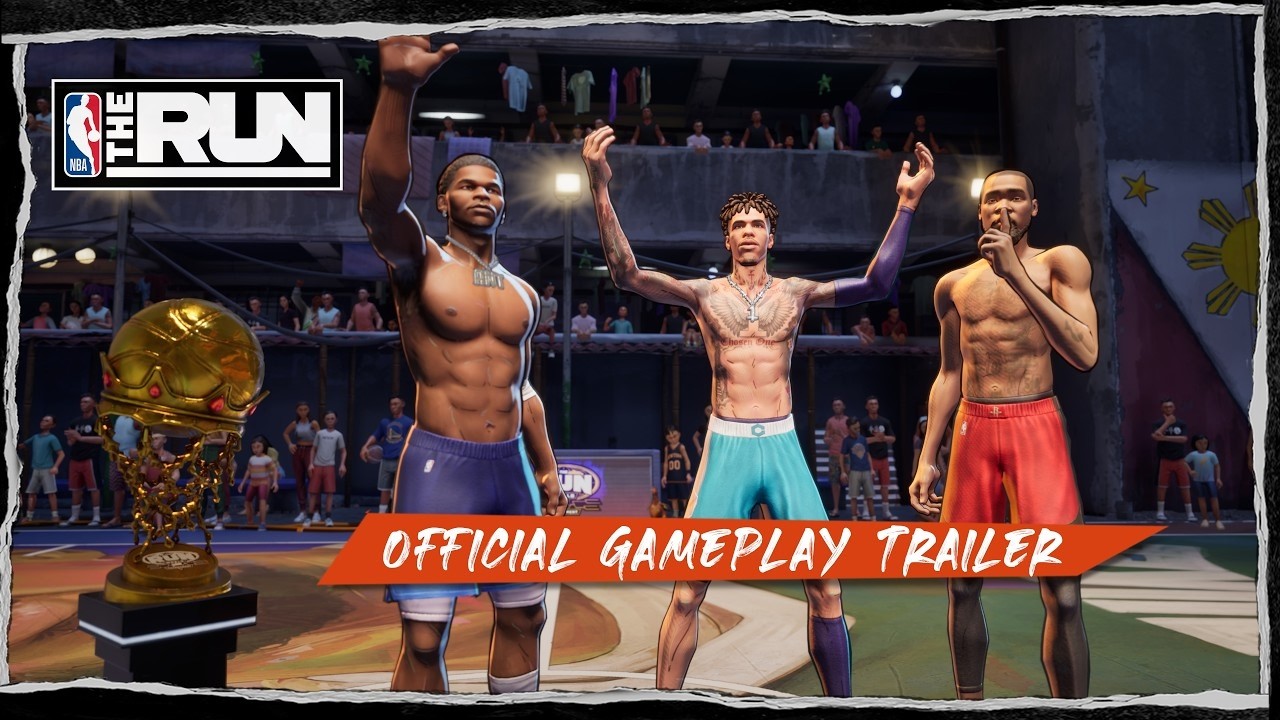
- NBA THE RUN open beta test set for May 30Gematsu [May 28, 2026]
- NBA THE RUN launches June 9Gematsu [May 12, 2026]
- NBA THE RUN launches in JuneGematsu [Apr 29, 2026]
Sources

Sources
Sources

First Release:
2026-06-09
- Umamusume drops horse ear hats and streetwear jackets in new fashion collabDexerto [May 28, 2026]
- Umamusume devs reveal surreal moment when they realized how popular the game really wasDexerto [May 26, 2026]
- Umamusume’s human-sized horse girl figures revealed and they cost over $1,000Dexerto [May 25, 2026]
- Umamusume developer is launching a new AI studio but it’s all secretiveDexerto [Jan 9, 2026]
Sources
Sources
Sources
Sources


First Release:
2025-06-24
Steam Ratings:
Very Positive (93%)
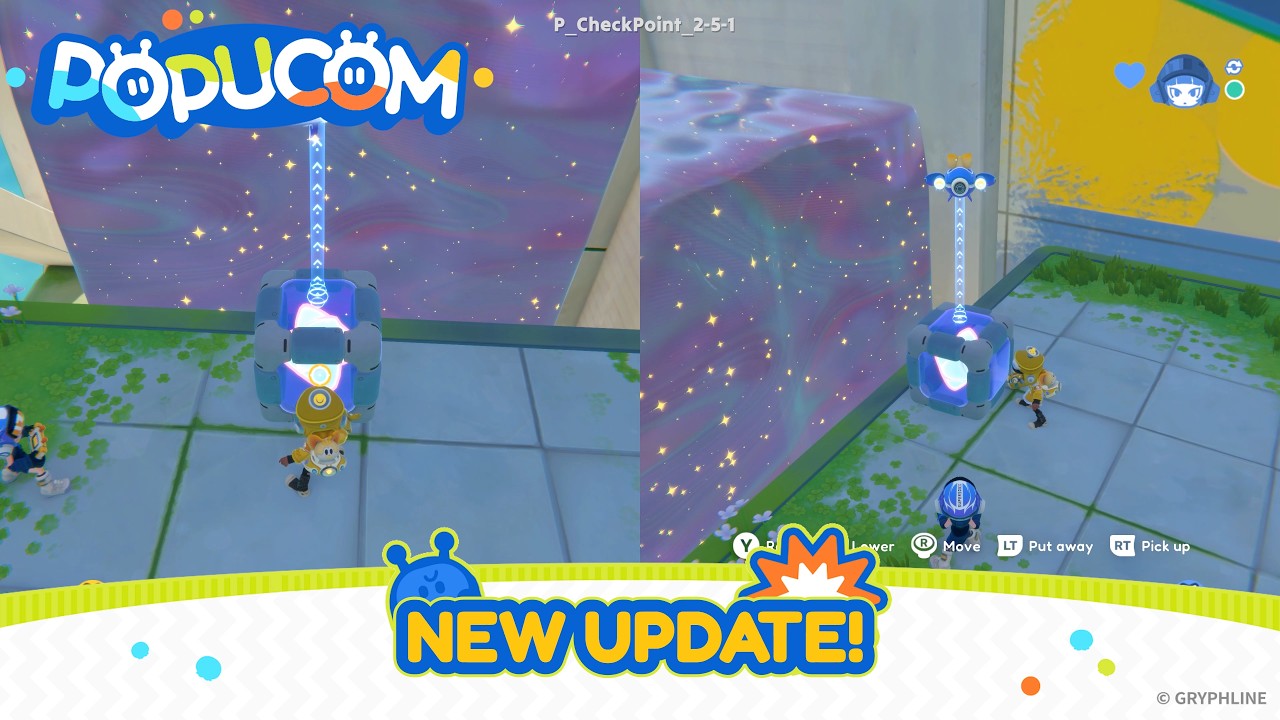
- POPUCOM version 1.2 update now available, adds new Story Mode stage and mini-gamesGematsu [May 28, 2026]
Sources

First Release:
2025-06-01
Steam Ratings:
Very Positive (94%)
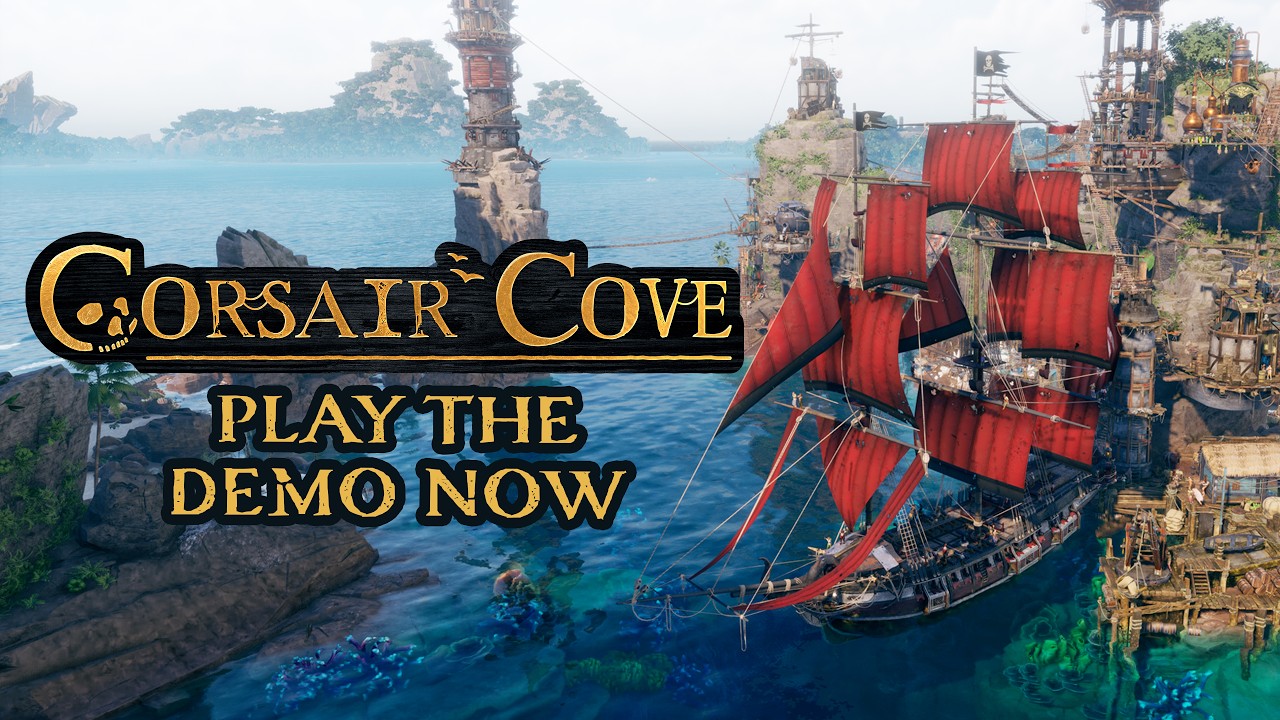
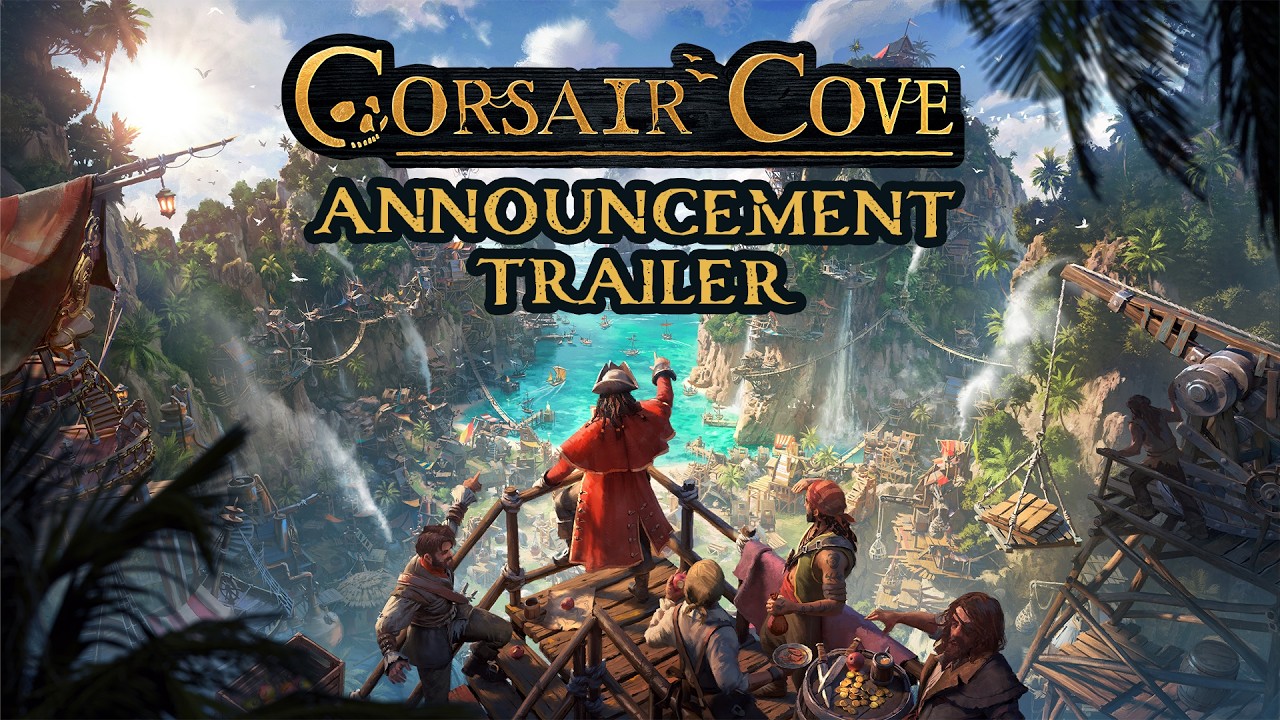
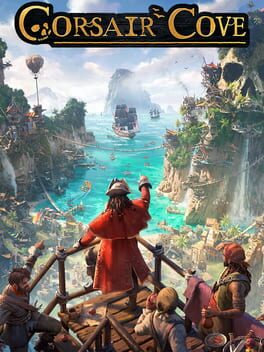
- If Windrose isn't quenching your sealord fantasies, maybe carving out your own Libertalia in pirate citybuilder Corsair Cove willRock Paper Shotgun - News [Apr 20, 2026]
- Pirate city builder Corsair Cove announced for PCGematsu [Apr 17, 2026]
Sources
First Release:
2026-07-31
Sources
First Release:
2026-06-11
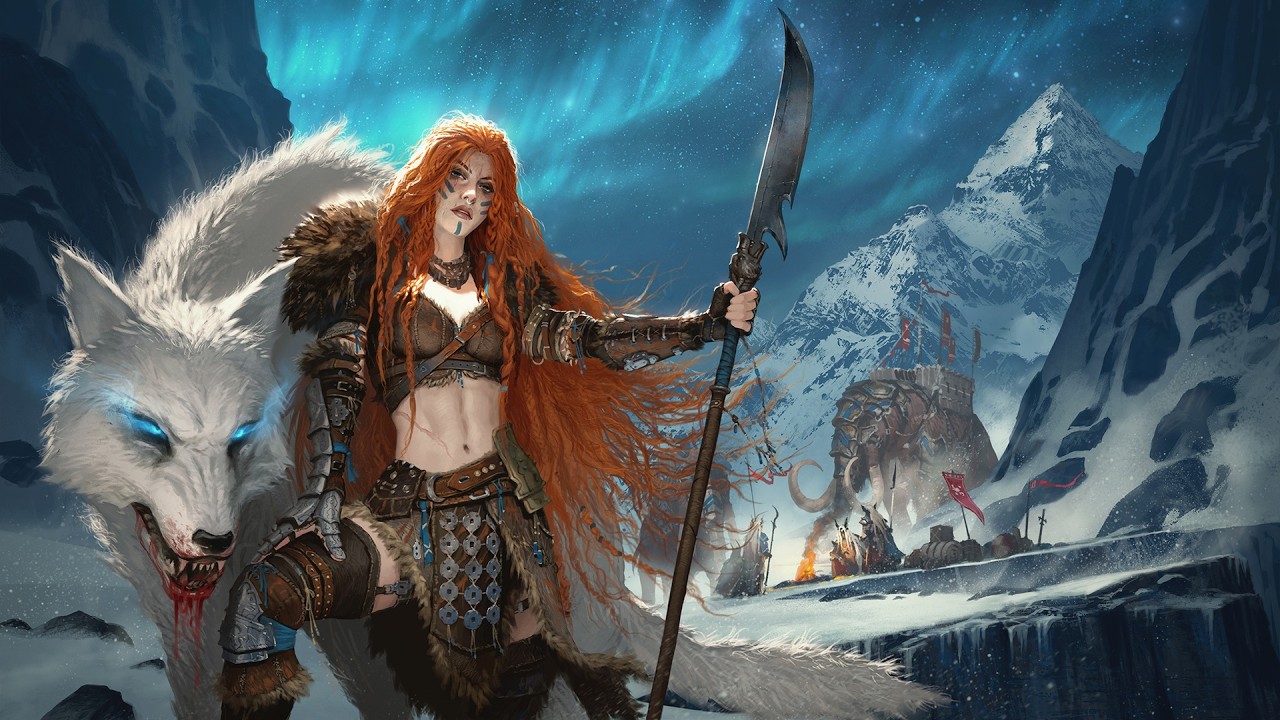
- Grim Dawn's gigantic final expansion will be out in JulyPCGamer News [May 28, 2026]
- Action RPG Grim Dawn is getting a 5.5km expansion, a free update and shapeshifting to mark its 10th birthdayRock Paper Shotgun - News [Feb 26, 2026]
Sources
Sources
First Release:
2016-02-25
Steam Ratings:
Very Positive (94%)
- BeamNG.drive coming to PS5 in 2026; Early Access version 0.39 update detailedGematsu [May 28, 2026]
Sources

First Release:
2015-05-29
Steam Ratings:
Overwhelmingly Positive (97%)
- RollerCoaster Tycoon Classic now available for Switch 2, PS4, and Xbox OneGematsu [May 28, 2026]
- RollerCoaster Tycoon Classic now available for PS5, Xbox SeriesGematsu [Mar 27, 2026]
Sources
Sources
First Release:
2017-09-28
Steam Ratings:
Very Positive (90%)
- Escape the Backrooms for PS5, Xbox Series now availableGematsu [May 28, 2026]
Sources
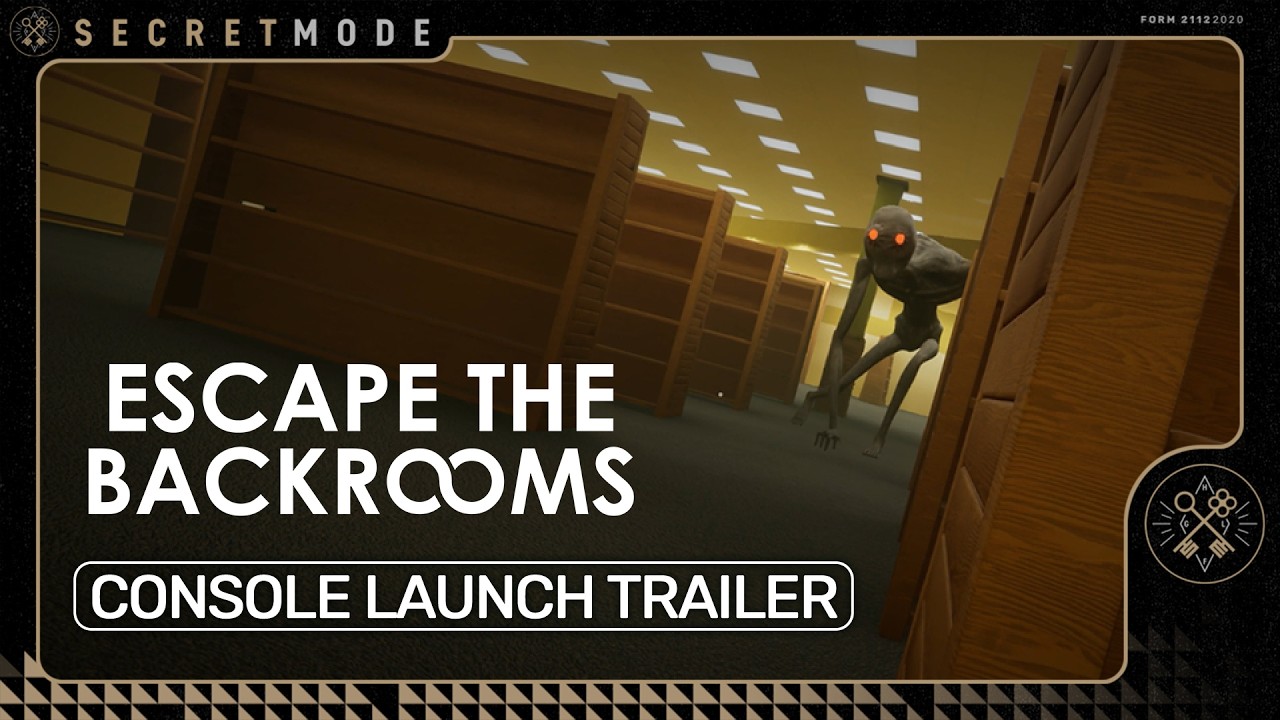
Escape The Backrooms is the most encyclopedic Backrooms game of them all. If you don't know what The Backrooms are, you probably don't have kids of a certain age. Born as a more specific branch of the liminal-space genre, The Backrooms is the all-encompassing name for a horror lore bible of sorts that's been handcrafted by communities online over several years. Each inhuman monster and each unnerving location becomes a chapter of a horror universe that the internet built together.

First Release:
2025-10-23
Steam Ratings:
Very Positive (88%)
Sources
Pragmata is better than it has any right to be. It is so clearly inspired by some excellent survival horror games and action platformers from two decades ago, all reinterpreted in an original property with exciting runway for future expansion. The bittersweet adventure of Hugh and Diana walks a tonal knife-edge that it largely pulls off with aplomb.
Pragmata is the new third-person moonbase shooter from Capcom in which you play Hugh, a gruff spacedad, with a small girl android named Diana riding around on your back. The game's core gimmick is that Diana can (and, indeed, must) hack the robots you're battling to nix their shields and so forth, using a real-time holographic minigame in which you move around a grid to reach a green square. There are also simpler varieties of hack for opening doors and springing traps.
Pragmata, somehow, manages to take this concept to some sort of illogical conclusion. The core conceit of this game - outside of the weirdly beautiful story about loneliness in space, what it is to be human, and the perils of rampant, irresponsible usage of AI - is that you control a human and a robot, and must engage in action-packed skirmishes whilst shooting, dodging, and solving grid-based puzzles, all at the same time. A 'hacking grid' pops up when you aim at an enemy, and from there you must strafe, hit weak spots, jump or dodge attacks, and work out the most efficient way to disable robot foes in a melee of sparks, shells, and sabotage.
There’s something distinctly 2008 financial crash about Pragmata.Perhaps it could be down to protagonist Hugh, who simultaneously sounds like both Troy Baker and Nolan North, and wears armor reminiscent of Platinum’s Vanquish.Whatever it is, Pragmata feels like a remaster of an early Xbox 360 game that never existed – and that’s great.
Pragmata certainly starts strong, but it doesn't have quite enough to stay completely engaging all the way to the end credits. It's a highly-polished sci-fi game with fun combat and exploration, but its lackluster story and characters keep it from reaching its full potential. Still, it's exciting to have a completely original IP from Capcom, and while Pragmata doesn't live up to the high bar set by some of the studio's other efforts, it's a mostly worthwhile adventure.
Short and sweet, Pragmata is a snazzy late aughts throwback elevated by a terrific sense of feedback and momentum.
Pragmata is the kind of shooter you just don’t get anymore. It packs a lot into a relatively short runtime and makes the most of every single second. The combat is brilliant from start to finish and doubles down on the hacking gimmick to deliver fast, frantic, and tense fights that never get old.
Pragmata is nostalgia wrapped in a shiny new spacesuit with plenty of cool tricks up its pressurized sleeve. It's good to see Capcom returning to its quirky action beat, with an impressive host of weaponry, upgrades, combat hacks, and base-building as the sci-fi adventure moves through beautifully-conceptualized biomes. The visual and stylistic elements definitely give me deja-vu at times, and I could do without its heavy-handed themes battering me over the head, but beneath all that polished titanium sits a profound tale of humanity I'll not soon forget.
That’s what makes original IP Pragmata such an intriguing prospect. Everything we’ve played so far feels distinctly throwback, in a way that most other developers would attract scrutiny. But that’s OK: The idea of a simpler, linear third-person shooter, with a sprinkling of Sad Dad narrative, feels pretty compelling amid today’s abundance of online shooters and RPGs, especially with the Devil May Cry house at the controls.

Overall, this new experience with Pragmata solidified my impression that Capcom’s ambitious new game has firmly found its footing. They significantly amped up the difficulty, added more variety in how you can tackle enemies, and built an exciting new world to explore. It’s great fun, and I can’t wait to play the full game in April.
- Pragmata release times: When it launches in your time zone VGC [Apr 16, 2026]
- Pragmata: How to unblock Blue and Red goo from paths VGC [Apr 16, 2026]
- Pragmata: All Solar Power Plant optional item locations VGC [Apr 16, 2026]
- Even with ray tracing to buff out its bots, Pragmata performs a treat on PC Rock Paper Shotgun - Features [Apr 16, 2026]
- Pragmata: All Mass Production Array optional item locations VGC [Apr 16, 2026]
- With the right settings, Pragmata can hack it on the Steam Deck - more or less Rock Paper Shotgun - Features [Apr 17, 2026]
- Pragmata: All Terra Dome optional item locations VGC [Apr 17, 2026]
- Pragmata: All Lunum Mines optional item locations VGC [Apr 17, 2026]
- Pragmata: All Central Port optional item locations VGC [Apr 17, 2026]
- Pragmata complete walkthrough: Everything you need to Platinum the game VGC [Apr 20, 2026]
- Pragmata: New Game+ and Unknown Signal explained VGC [Apr 20, 2026]
- Pragmata: How to unlock the Secret True Ending VGC [Apr 20, 2026]
- Pragmata: All Mini-Cabin statue locations VGC [Apr 22, 2026]

First Release:
2026-04-16
Steam Ratings:
Overwhelmingly Positive (97%)
- Wall World 2 now available for PS5, SwitchGematsu [May 28, 2026]
Sources
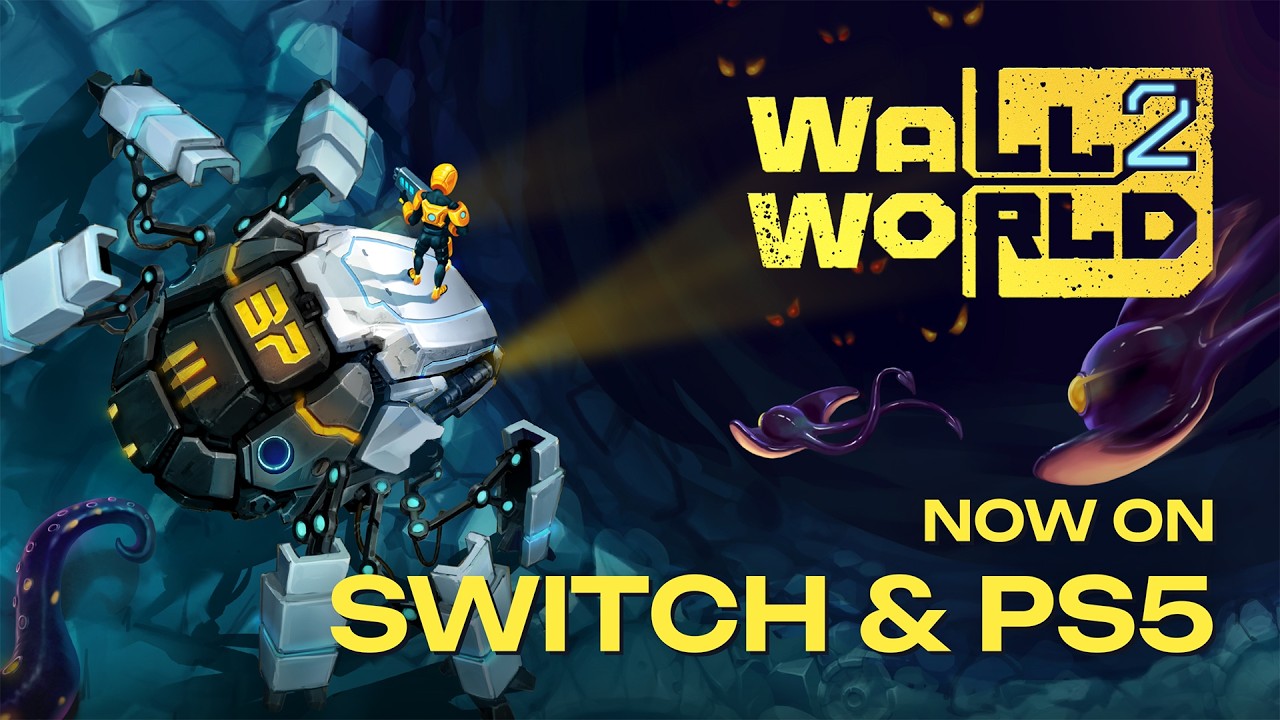
Wall World 2 isn't as easy to explain as its predecessor. Yes, it is still a roguelike in which you split your time between piloting a robotic spider up and down a giant wall in search of weak spots from which you can mine deep into the cliff face, digging up minerals to spend upgrading your mecha-arachnid's weapons, enhancing its ability to fight off periodic waves of pustule-covered aliens, until you either kill the biggest pustule-covered alien or die in the attempt.

First Release:
2025-11-11
Steam Ratings:
Mixed (68%)
- Fortnite lets you watch Mandalorian & Grogu footage ahead of releaseDexerto [May 19, 2026]
- The Fortnite/Overwatch crossover means we're talking about Tracer's butt againPCGamer News [May 15, 2026]
- Epic Games sues contractor who ran a secret Fortnite leaks account “for clout”Dexerto [Mar 5, 2026]
Sources
Sources
Sources
Sources
Sources
- How to compete in the MrSavage PlayStation Cup in Fortnite Dexerto [Mar 20, 2026]
- All Chaos Cube Locations in Fortnite Path of the Voyager Quests Dexerto [Mar 23, 2026]
- How to compete in the PlayStation Clix Cup in Fortnite Dexerto [Apr 29, 2026]

First Release:
2020-06-29
- Hundreds of Marvel Rivals cheats named and shamed in "an immediate, targeted purge"Eurogamer [May 26, 2026]
Sources
Sources

First Release:
2024-12-05
Steam Ratings:
Mostly Positive (77%)
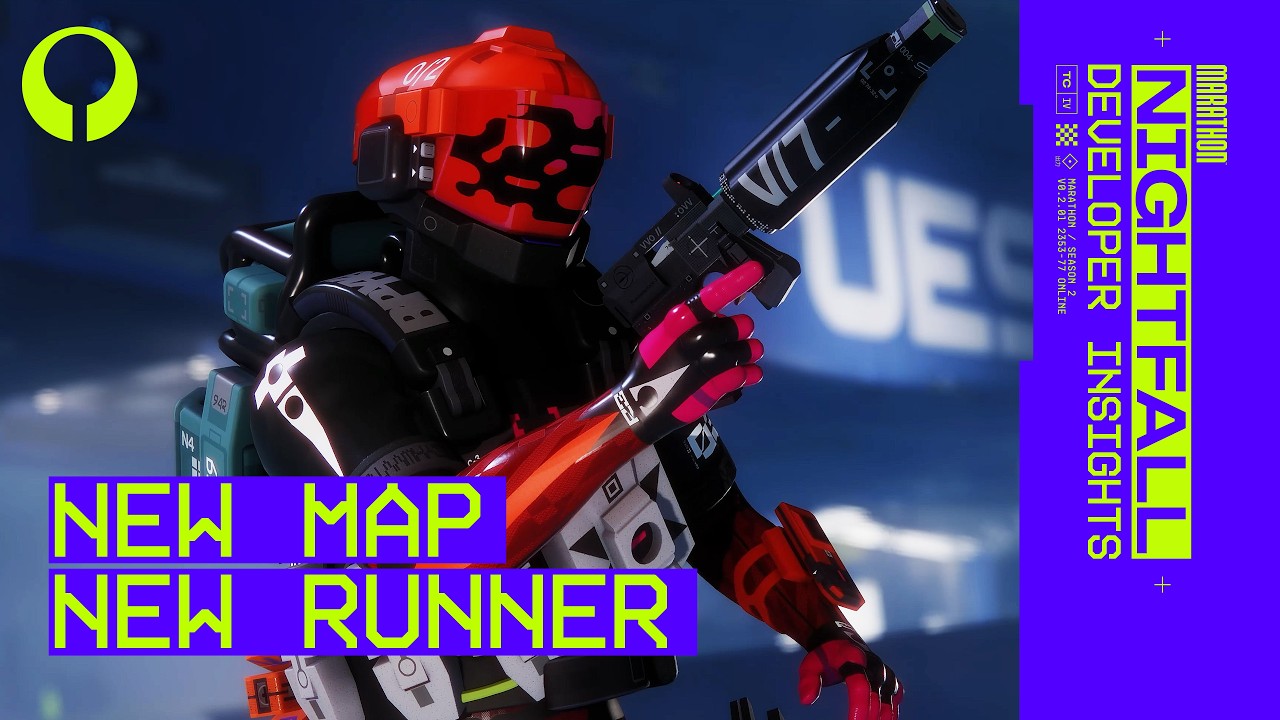
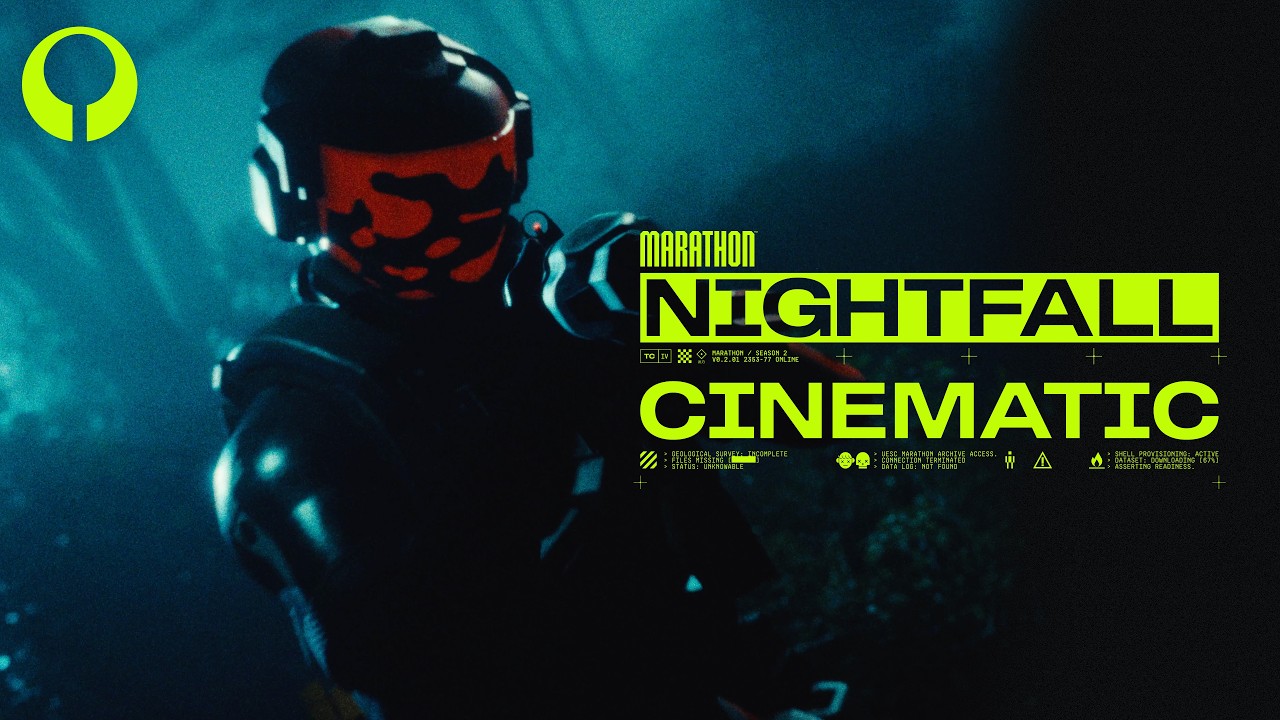
- The first, cinematic look at Marathon season 2 paints it as the horror game it always should have beenRock Paper Shotgun - News [May 26, 2026]
- Marathon review bombed by Destiny 2 fans as Bungie ends developmentDexerto [May 22, 2026]
Sources
Sources
Sources
Sources
Sources
But Hunt isn’t like that, and nor is Marathon. In both games, you can think of your human rivals as the xenomorph in Alien: Isolation, or Mr X in Resident Evil 2 - a smart enemy that isn’t just looking for you but, more pertinently, listening as well. The presence of other players turns each Marathon map into one enormous alarm system - where even a swiftly resolved firefight with robots runs the risk of drawing the apex predator.
At first glance, Marathon may seem like a fundamentally solid game with a lot of potential, but one that simply feels too intimidating to invest in. But if players are willing to jump over the unnecessary hurdles in Marathon's opening hours, they'll likely discover that Marathon doesn't just live up to its potential, but it exceeds it, with the current version offering a host of replayable maps, an engaging progression system, and a core loop that should keep extraction shooter fans coming back time and time again.
With spellbinding combat and high-concept maps, Marathon is far more than a cool aesthetic draped over the bones of an extraction shooter. If Arc Raiders showed the world what an extraction shooter is, Marathon demonstrates, in unambiguous fashion, what extractions shooters are about. Whatever anomalous conditions coalesced to make Embark's game so oddly affable (at least in solos), they are entirely absent among the abandoned megastructures of Tau Ceti IV.
Marathon is a brilliant distillation of what makes an excellent extraction shooter, and a glimpse at where they could go next.
Like any good extraction shooter, Marathon is a game about the choice and consequences inherent within a run. Yet, it's more than just that. Bungie's excellent audio design and gunplay, paired with increasingly complicated level design borrowing from over a decade of expertise designing Destiny raids coalesce into something special.
It’s a shooter with a graceful visual presentation and the top-notch gunfeel that has come to be expected from a studio with a long-standing legacy in the genre. It’s also a shooter that is as alluring as it is unforgiving, pitting players against each other as they navigate hostile environments in pursuit of tantalizing loot, facing the ever-looming threat that death is always around the corner. The belligerent nature of Marathon reflects not only the past couple of years of Bungie but also the tumultuous landscape of other live service shooters that are also fighting for scraps of attention and a nomadic player base.
On the most basic level, Marathon’s core gameplay is best-in-class. Bungie has always excelled at gunplay, and the same rings true here. Each and every weapon currently in the game comes with a distinct feel and sound profile to accompany their unique characteristics.
I am currently intoxicated not by Marathon, then, so much as I'm intoxicated with its world, its art style. I don't think I'm trying to make progress in the campaign or come away with the biggest, newest weapon. Instead, I'm steadily trying to reverse-engineer the game's mood board.
Marathon captures the highest highs of extraction shooters, trims the finickiness that has kept casual players from engaging with the genre, and ties everything together with striking sci-fi flair. A firecracker wrapped in smoking silk, Bungie has created my favorite multiplayer shooter in years – and while I'll wait for Cryo Archive before putting a score down, I'm already staggered by the promise on Tau Ceti IV's surface.
Marathon feels different, even as it employs many of the same tricks as hero shooters. Each Shell has a distinctive appearance and abilities tailored toward a specific playstyle. Yet it openly acknowledges that the Shells are just vessels for the player to inhabit, which feels more honest about the relationship you'll have with this character in this type of shooter.
The cinematic may just not be a suitable storytelling device in this kind of game. Likewise, big chunks of text aren't something you can easily read while you've another player in your ear. I don't know what the solution is, but my overriding feeling while playing Bungie's multiplayer game is I need to be alone to enjoy it, and that can't be the result they're hoping for.
- You can lessen Marathon's faction rep grind by doing more than just contracts PCGamer News [Mar 5, 2026]
- If your mouse input is totally busted in Marathon right now, I may have the fix PCGamer News [Feb 26, 2026]
- 11 Tips From Marathon Game Director Before Heading Into The Server Slam, Which Goes Live Today Game Informer News [Feb 26, 2026]
- You're missing out on getting Marathon's best loot for free because it's hidden in a menu PCGamer News [Mar 30, 2026]

First Release:
2026-03-05
Steam Ratings:
Very Positive (86%)
Critic Average:
72.2
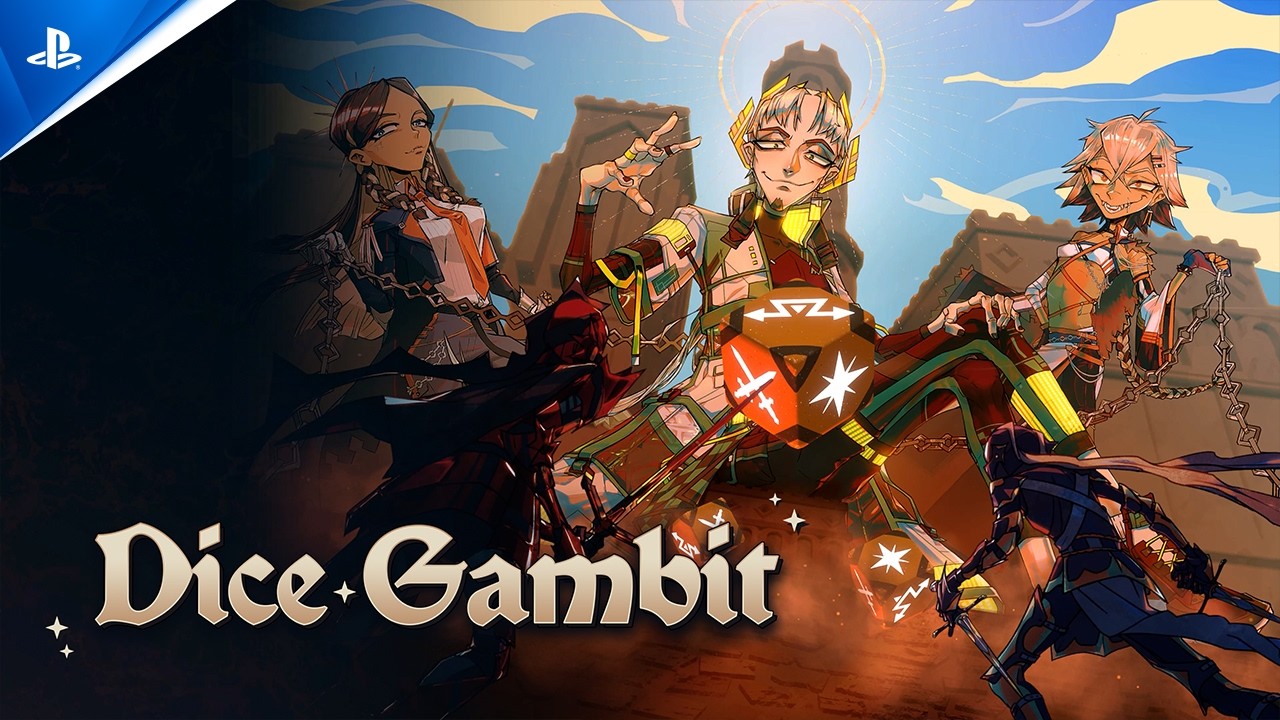
- Dice Gambit coming to PS5, PS4, and Switch in Q4 2026Gematsu [May 28, 2026]
Sources
First Release:
2025-08-14
Steam Ratings:
Very Positive (92%)
- Game dev tells people not to buy their game on Steam because it will go on sale soonDexerto [May 28, 2026]
- Indie dev earns Reddit love after telling people not to buy their game because it's going on sale soonPCGamer News [May 27, 2026]
Sources
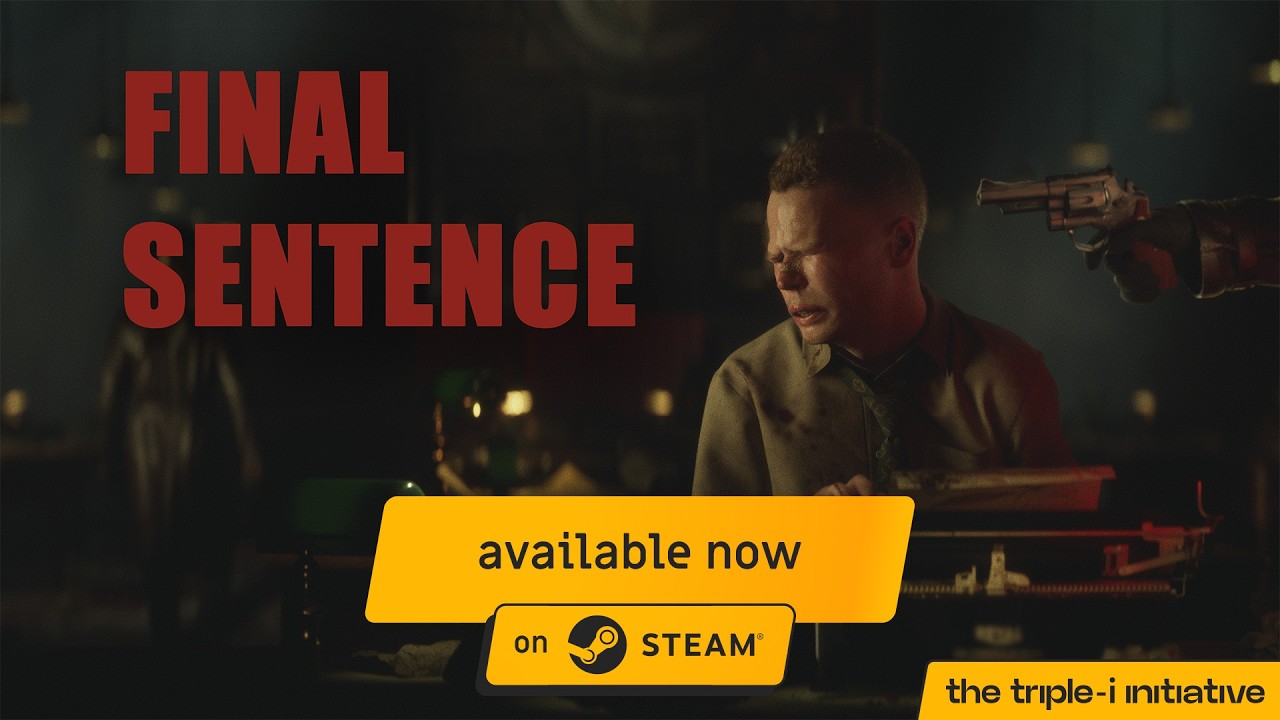
I've long believed I would never be able to translate these skills to gaming. I mean, sure, you've got games like Typing of the Dead, but I don't do anything if it doesn't have bragging rights. I'm told that's 'mean-spirited' and 'narcissistic' and 'unhealthily competitive', but those people were all losers anyway. Final Sentence, a battle royale typing game, shows me there's a battle royale out there which could fix this hole in my life, but it's not this one, at least not yet.

First Release:
2026-04-09
Steam Ratings:
Very Positive (84%)
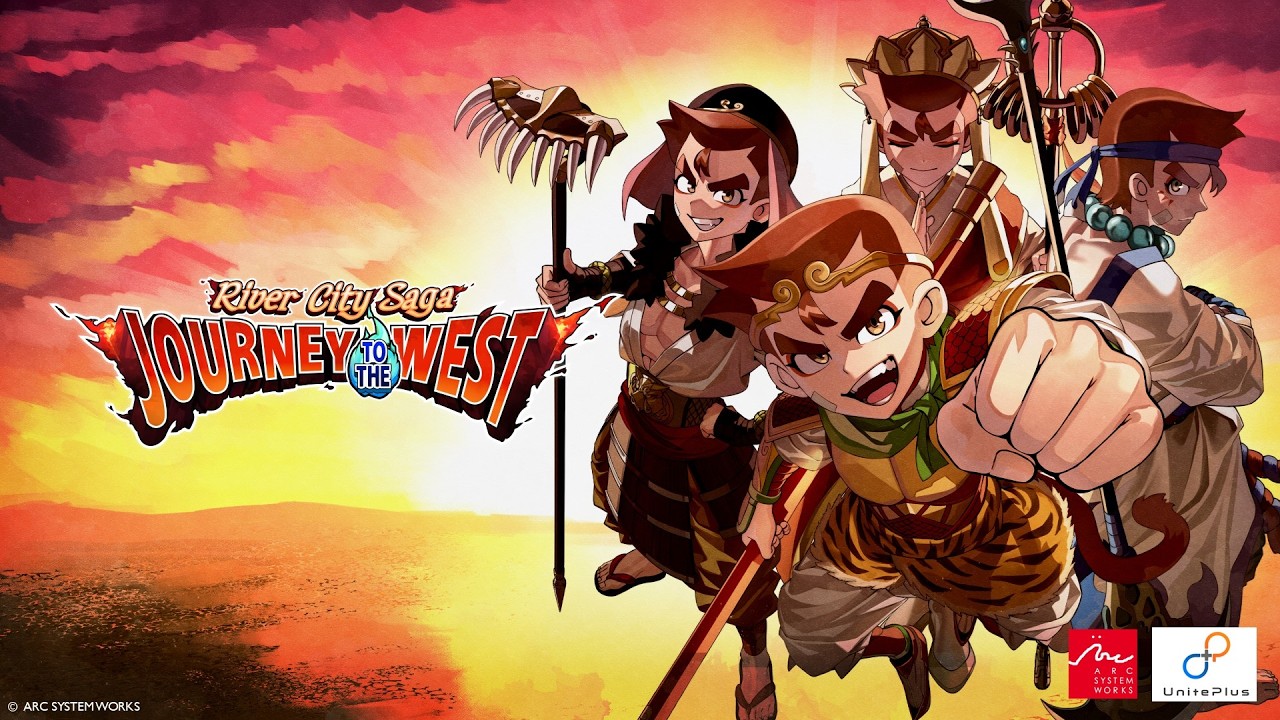
- River City Saga: Journey to the West official trailerGematsu [May 28, 2026]
- River City Saga: Journey to the West launches June 4Gematsu [Apr 27, 2026]
- River City Saga: Journey to the West details story, systems, and charactersGematsu [Mar 19, 2026]
Sources
Sources
Sources

First Release:
2026-06-03
Sources
Mechanicus 2 is a decent strategy game, but the original was a vibe, as the kids say—if the kids spent a lot of time playing turn-based tactics games where cybernetic zealots fought robot mummies.
First Release:
2026-05-21
Steam Ratings:
Mixed (54%)